
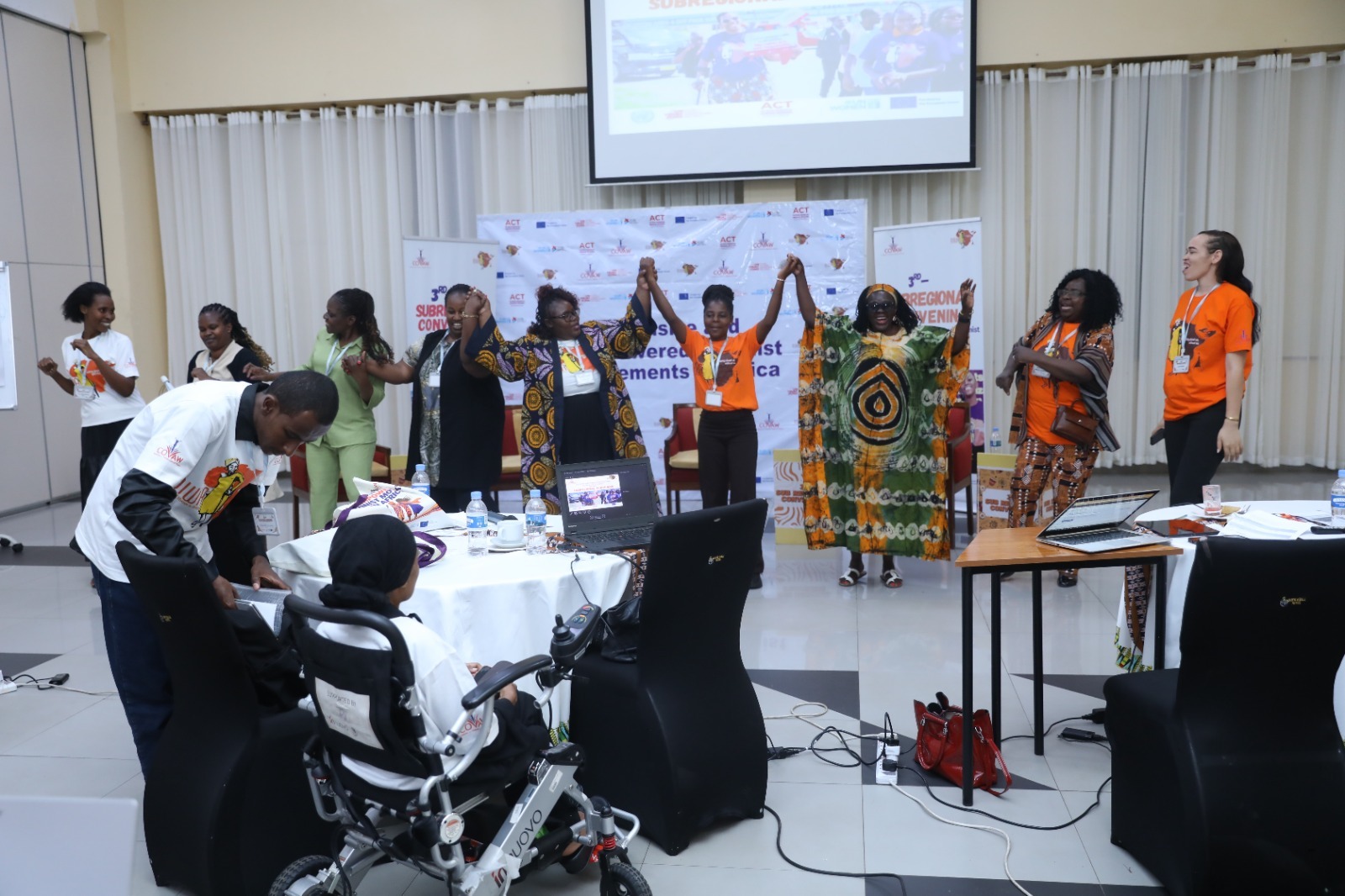
Women and girls with disabilities call for greater inclusion in decision-making
By Prince Boris Cyubahiro.
Women and girls with disabilities from Rwanda and other countries in the region are calling for greater inclusion in decision-making, saying their participation should go beyond simply being present in meetings and other public spaces.
The call was made on September 24, 2026, during a meeting that brought together women and girls with disabilities, civil society organizations, women’s rights groups, government representatives and human rights institutions.
Discussions focused on strengthening the leadership and advocacy capacities of women and girls with disabilities, addressing violence against them, and ensuring that their voices are reflected in policies and decisions affecting their lives.
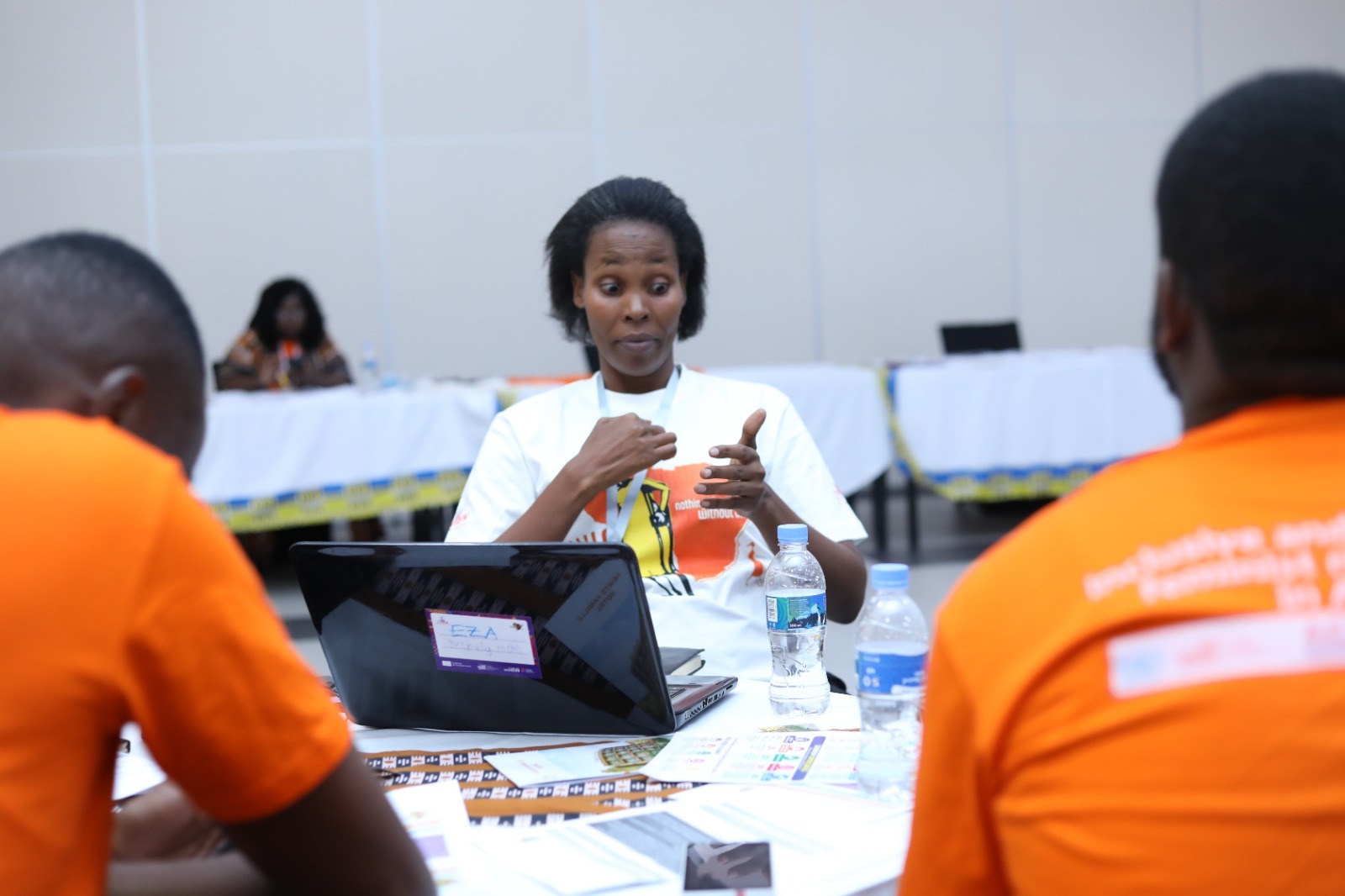
‘We do not want to be present only’
Ruth Virginia Mkutumula, Executive Director of Disabled Women in Africa (DIWA), said research conducted in Rwanda, Kenya and Malawi found that women with disabilities remain insufficiently represented in spaces where issues related to ending violence against women are discussed.
She said that while women with disabilities may be invited to participate in meetings and other platforms, their participation can sometimes remain symbolic rather than giving them meaningful opportunities to influence decisions.
“We want to see beyond being in the space. They must go beyond participation to influence policies and have their voices heard,” Ruth Virginia Mkutumula said.
She said DIWA is working to strengthen the leadership and advocacy skills of women and girls with disabilities so they can take more active roles in leadership and advocacy.
According to Ruth Virginia Mkutumula, some women with disabilities have already been supported to participate in regional and international platforms, including the African Union, the Commission on the Status of Women and Women Deliver.
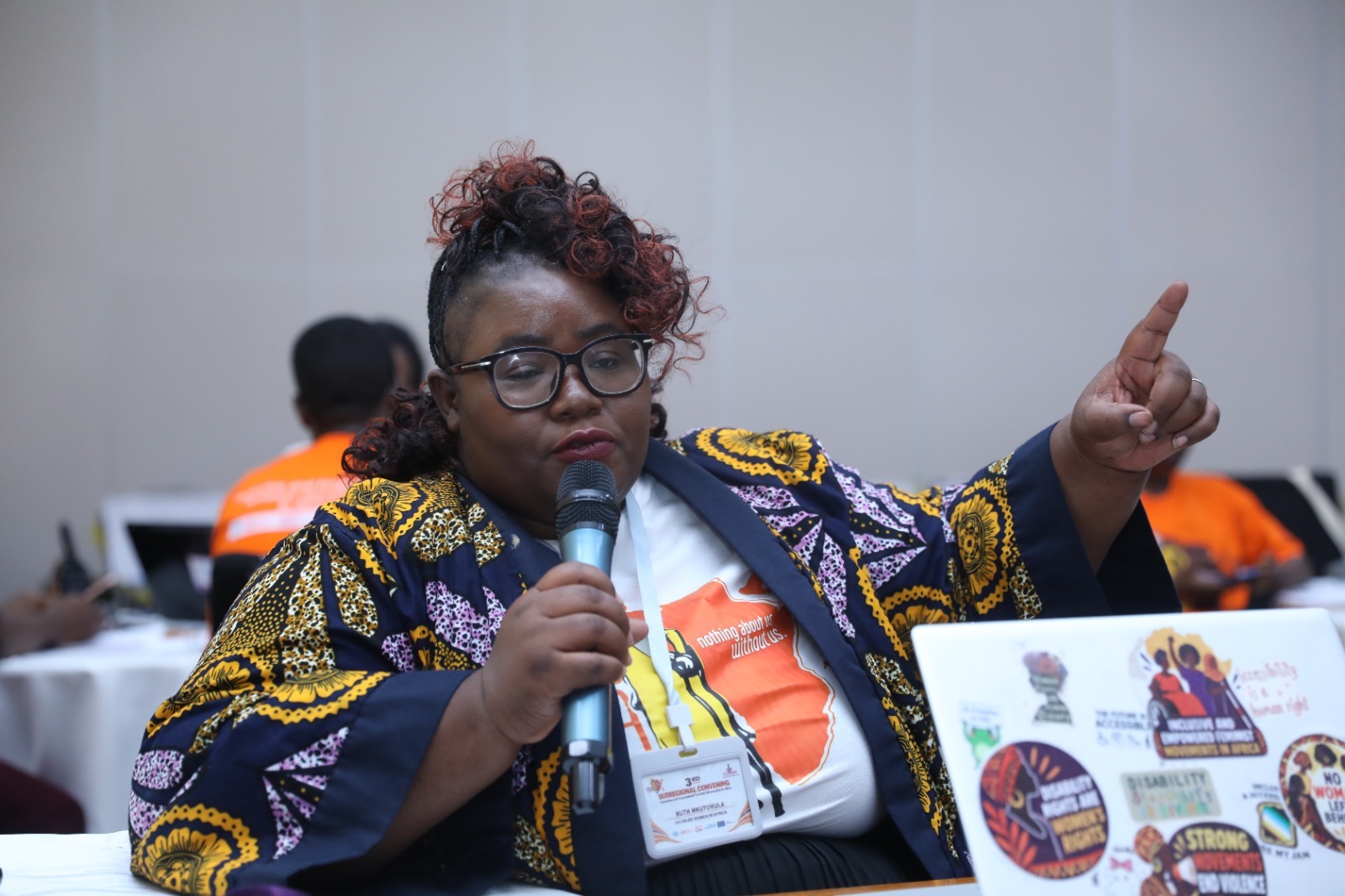
‘Give us the right to make decisions about our own lives’
Niyonkururu Vanessa, from UNAB, said some girls with disabilities continue to face exclusion within their families and communities, partly because some parents and other members of society do not fully recognize their abilities and potential.
“If we stop making decisions for them and give them the right to make decisions about their own lives, I believe many things would change,” she said.
Vanessa, who was born with a physical disability, said growing up and studying alongside other children with disabilities helped her overcome fear and build confidence.
She completed secondary school and studied Multimedia Production. She said meeting disability rights advocates from countries including Malawi and Kenya further strengthened her confidence and encouraged her to participate more actively in advocacy.
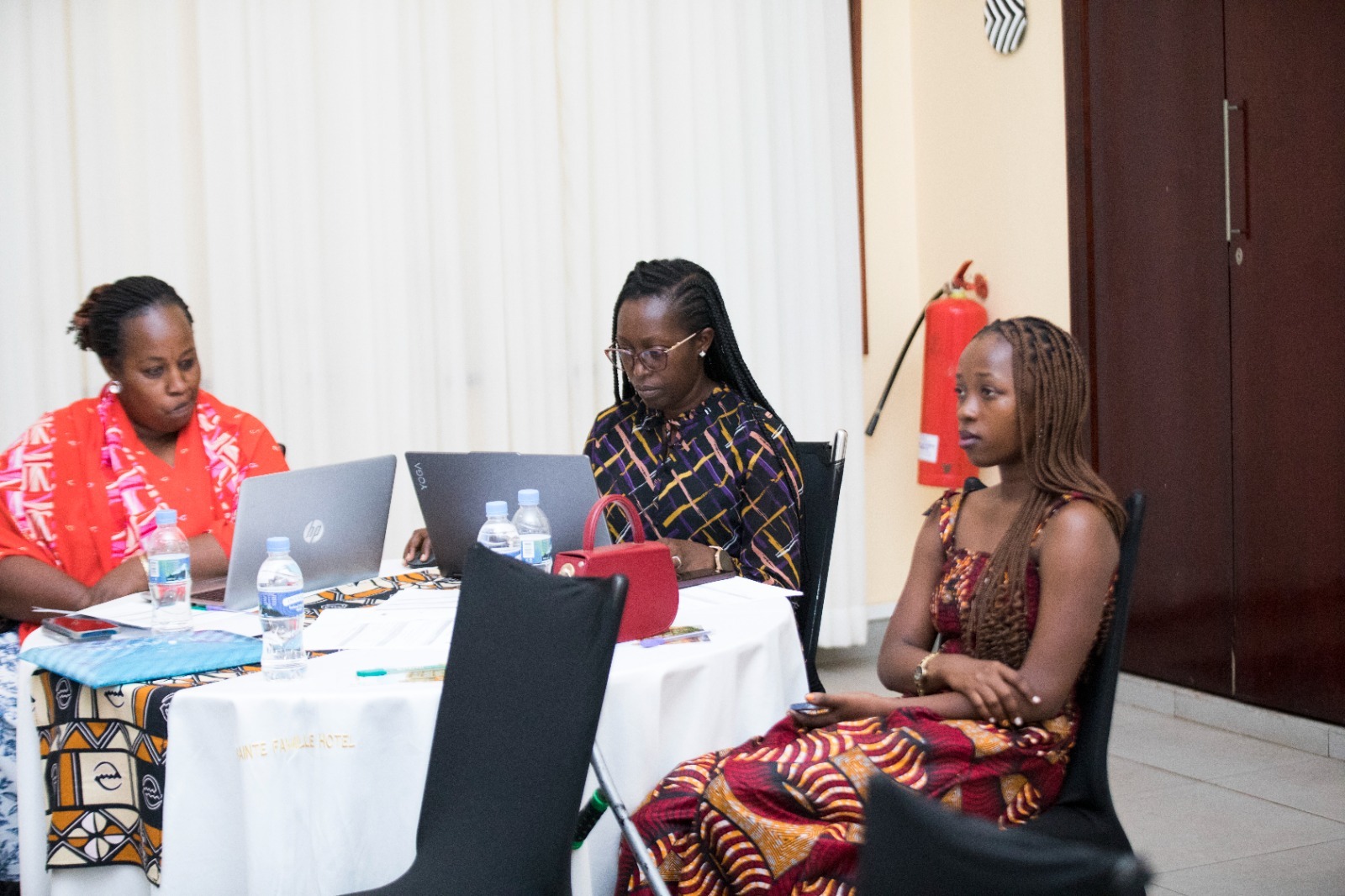
‘I believe I can become a journalist’
Nikuze Yvette, who represents people with albinism in Rwanda through OIPPA, also highlighted challenges facing children and young people with disabilities.
She said she has observed positive developments in Rwanda compared with some other countries, but noted that people with disabilities continue to face challenges related to freedom, access to education and employment opportunities.
“I believe I can become a journalist, and I know I am capable,” Nikuze said.
Her comments reflected a broader theme of the meeting, where participants discussed the importance of creating opportunities for people with disabilities to pursue education, employment, leadership and advocacy.
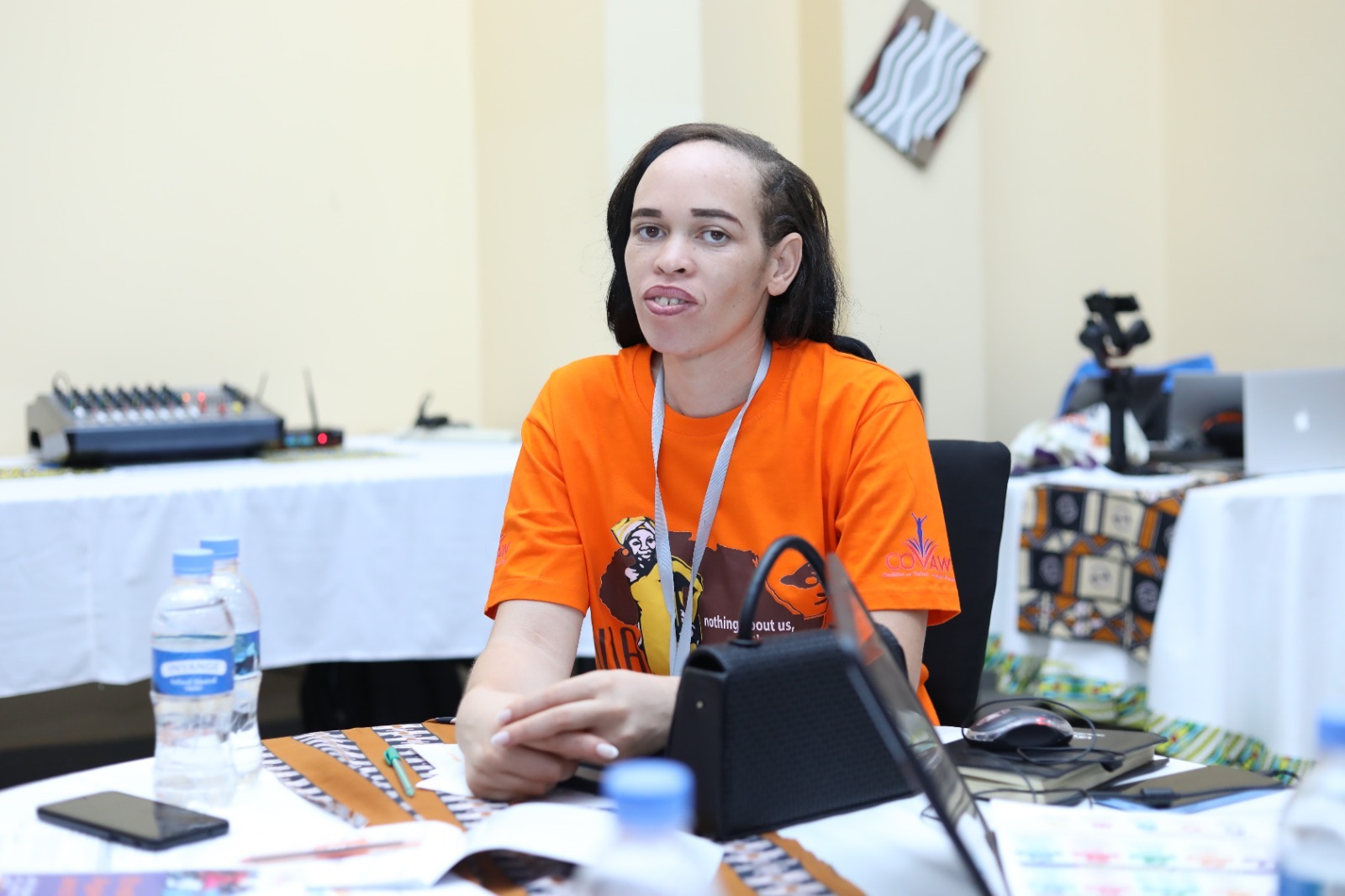
From participation to meaningful influence
Participants emphasized the importance of stronger collaboration among people with disabilities, civil society organizations, human rights organizations and government institutions.
The initiative discussed during the meeting operates across Rwanda, Kenya and Malawi and seeks to strengthen the capacity of women and girls with disabilities, connect them with wider women’s rights and feminist movements, and support their participation in efforts to prevent violence and influence decision-making.
Under the theme “Building on Our Gains, Strengthening Our Voice,” participants reflected on progress made while discussing ways to strengthen advocacy and increase the participation of women with disabilities in decision-making processes.
The discussions highlighted a central message: participation should extend beyond being invited to the room. Women and girls with disabilities are seeking meaningful opportunities to contribute to policies, influence decisions and help shape solutions affecting their lives.
theinspirerpublications@gmail.com



Leave a Reply