
Rwanda advances plan for biotechnology seed innovation centre to boost food security
By The Inspirer.
Rwanda is moving ahead with plans to establish a biotechnology-driven seed innovation centre aimed at increasing agricultural productivity and strengthening long-term food security as the country prepares for rapid population growth.
Government projections from the National Institute of Statistics of Rwanda (NISR) indicate that the population could reach about 23 million by 2052, up from just over 14 million today, putting additional pressure on available farmland and food systems.
In response, authorities are investing in advanced agricultural research infrastructure, including a new seed innovation facility expected to be operational by 2027, according to the Rwanda Agriculture and Animal Resources Development Board (RAB). The project is estimated to cost over Rwf 10 billion.
The centre is expected to become a regional reference facility for the production and multiplication of high-quality, climate-resilient seeds, with a focus on improving yields, reducing crop losses, and enhancing resistance to pests and diseases.
RAB says the initial focus will be on priority crops including bananas, potatoes and cassava, before expanding to other strategic crops based on demand and research outcomes.
The facility will rely on biotechnology applications designed to support the development of improved planting materials with stronger genetic traits, faster growth rates, and higher adaptability to changing climate conditions.
Officials say the project is expected to reduce dependence on imported seeds while strengthening local capacity to supply farmers with certified, high-performing planting materials.
Research activities linked to the initiative are already underway at RAB stations in Rubona (Southern Province) and Musanze (Northern Province), where scientists are working on seed multiplication for crops such as cassava, bananas, sweet potatoes, potatoes and hybrid coffee varieties.
Data from RAB shows that seed production has steadily increased in recent years, with millions of potato seed units and thousands of banana, cassava and sweet potato planting materials produced annually, reflecting growing research output and institutional capacity.
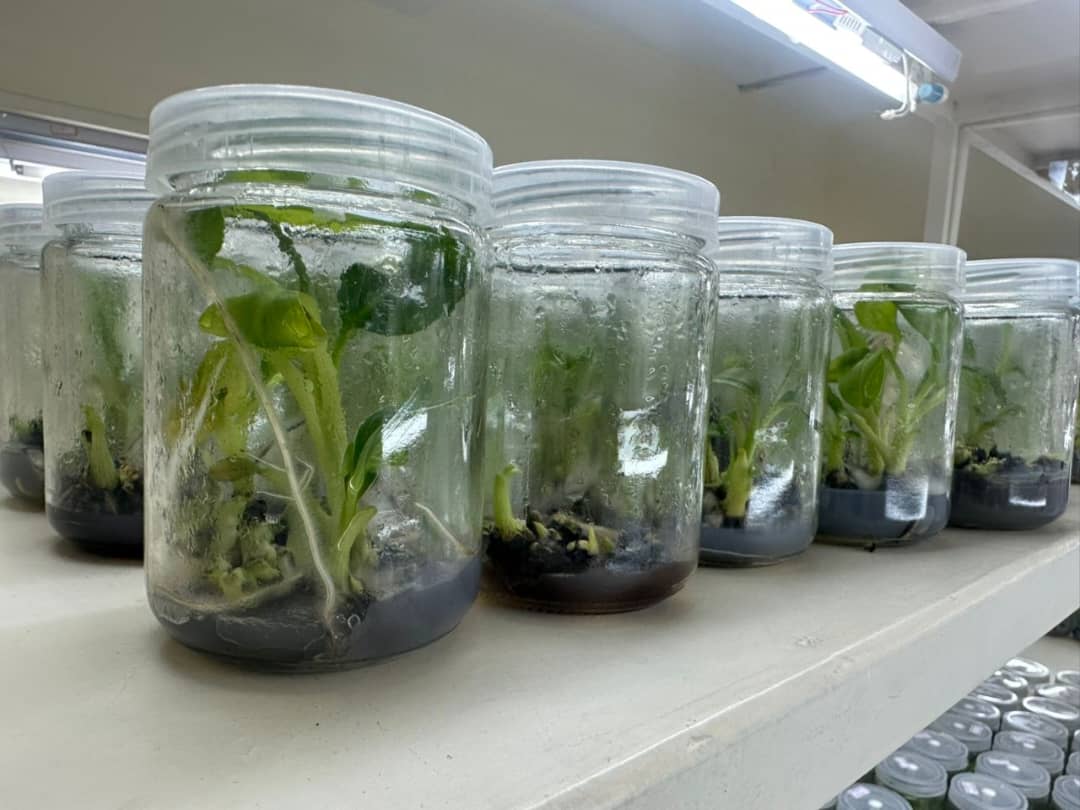
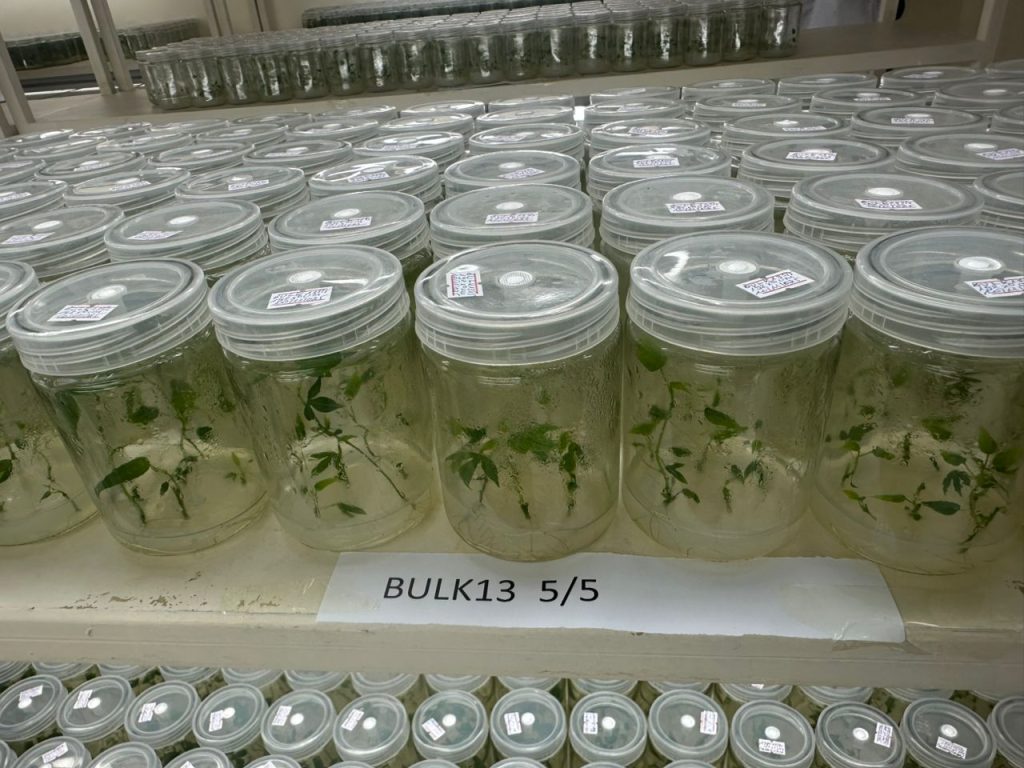
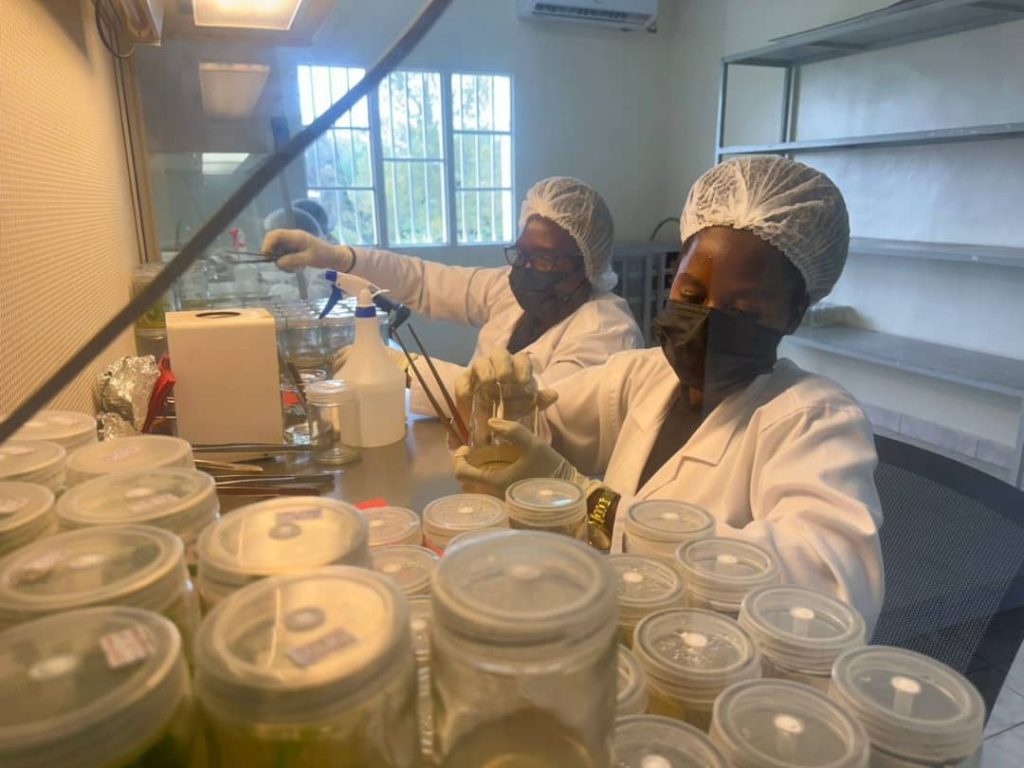
RAB researcher Gatunzi Felix said biotechnology techniques such as tissue culture are being used to produce disease-free and high-yield planting materials.
“This technology allows us to regenerate planting materials that grow faster and produce better yields compared to conventional seed systems,” he said.
The Ministry of Agriculture and Animal Resources (MINAGRI) says the BIOCAP initiative underpinning the project is designed to enhance resilience in the agricultural sector amid climate variability, pest outbreaks and soil degradation challenges.
Permanent Secretary Dr Olivier Kamana said the new centre will help reduce reliance on imported seeds while improving access to locally developed, climate-smart varieties for farmers across the country.
Agriculture experts say the facility could significantly reshape Rwanda’s seed systems and position the country as a regional leader in agricultural biotechnology and innovation-driven farming.



Leave a Reply