
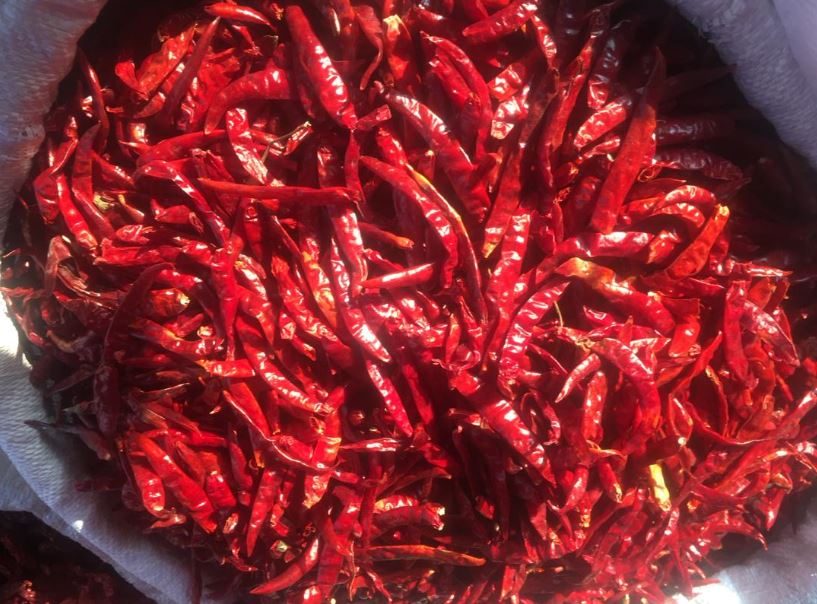
Rwanda set to reduce pepper post-harvest losses from 17.2% to 8.7%
By The Inspirer.
The National Agricultural Export Development Board (NAEB) has made significant progress on a project aimed at reducing post-harvest losses of pepper in Rwanda, cutting spoilage from 17.2 percent to 8.7 percent.
The initiative, which began in 2022 and is expected to conclude in 2026, combines the construction of modern drying facilities with training for farmers on proper handling of their produce.
The project is being implemented in Bugesera, Nyagatare, Rulindo, Rubavu districts, and Kicukiro district in Kigali, where a state-of-the-art drying facility is under construction at NAEB headquarters. The infrastructure is designed to preserve pepper after harvest and minimize losses caused by inadequate handling.
Project manager Aimable Rusingizandekwe said construction at NAEB headquarters is 78 percent complete and is expected to be finished this year.
He added that the project has trained more than 6,000 pepper farmers on post-harvest handling, cooperative management, and drying techniques. Once completed, the facility at NAEB headquarters will have the capacity to process 80 tons of pepper per week, while other district-level facilities will process 19 tons per week per site.
Farmers welcomed the project, saying it will help reduce losses and increase incomes. Allan Mugabo, who cultivates 15 hectares of pepper in Kamabuye, Bugesera, said he loses about 3 million Rwandan francs each year due to lack of proper drying facilities.
Marceline Byukusenge said the new infrastructure will allow farmers to better preserve their harvest and protect valuable seeds. Wellars Hakizayezu added that properly dried pepper could significantly increase the price they receive.
Exporters also expect improvements. Emmanuel Hakizimana, who exports pepper to China from Nyagatare, said the facilities will help maintain quality, especially during the rainy season. Amri Nshimiyimana, head of agriculture at Spices Rwanda, said inadequate infrastructure has previously reduced the volume of exportable pepper.
NAEB reported that over the past five years (2020/21–2024/25), Rwanda exported 10,300 tons of pepper, generating more than 42.4 billion Rwandan francs.
The project is expected to have a lasting impact on both farmers and exporters, improving incomes and supporting Rwanda’s spice export sector.



Leave a Reply