
Kirehe farmers turn irrigated lands into prosperity with SAIP2 support
By Elias Hakizimana.
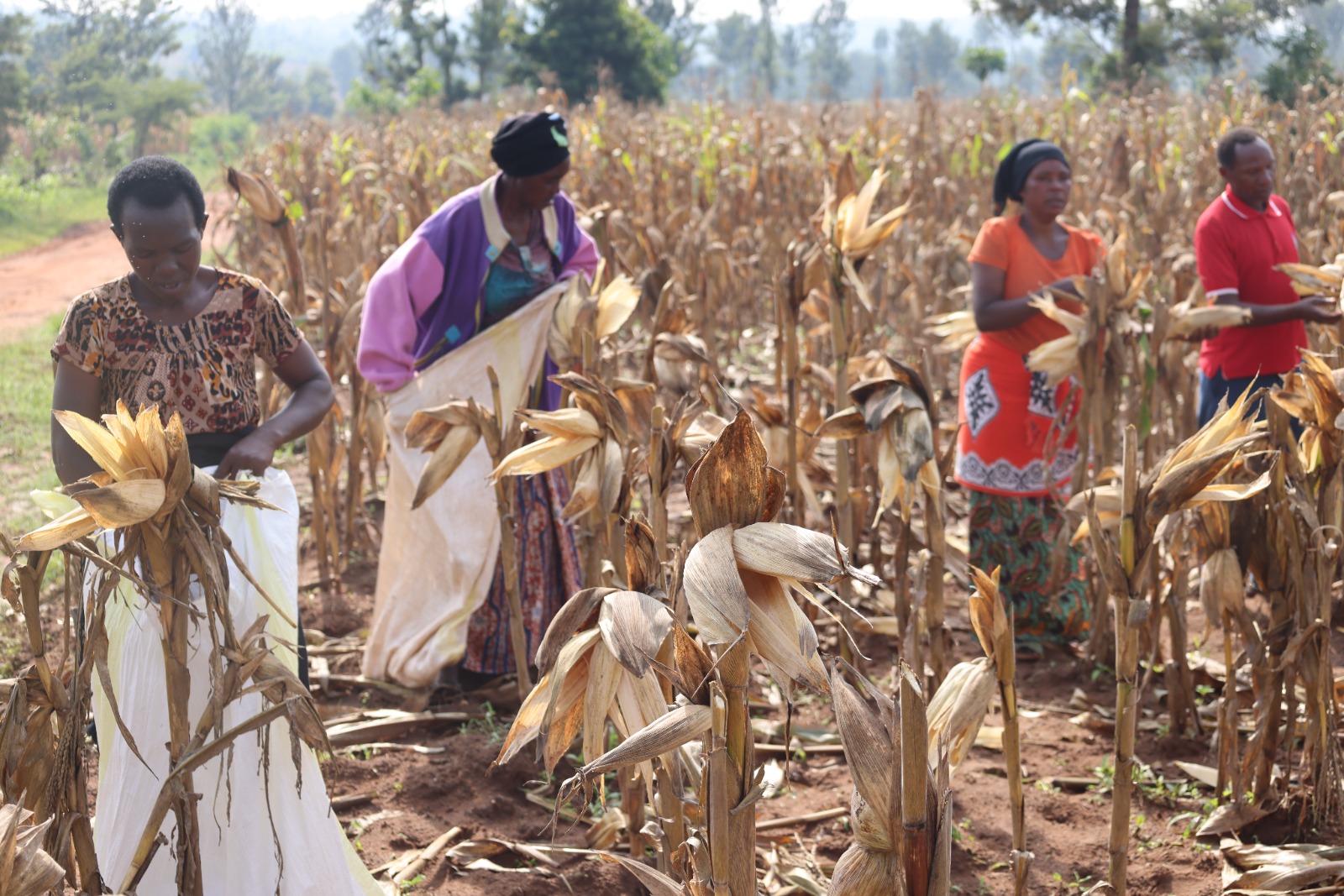
In the sun-scorched hills of Kirehe District, farmers are rewriting the story of agriculture. Once at the mercy of unpredictable rains, they now cultivate irrigated lands that are yielding record harvests and opening new opportunities for household income and community development.
In Nyamugari Sector, the KOWASERANYA Cooperative has become a model of transformation. Comprising 116 members working on 12 hectares of irrigated land, the cooperative established a water dam that ensures crops receive sufficient water even during dry spells.
“Before SAIP2, we planted in chaos,” says Amiel Ndahimana, president of KOWASERANYA Cooperative. “Our maize harvests were barely two to three tons. Thanks to training, field trips, and support from SAIP2, we now harvest 5.8 tons. Our goal is six tons, and we already have secured markets, buyers, and even insurance for our crops.”
The cooperative grows beans, maize, and vegetables — including cabbage, carrots, beetroot, and onions. Members learned to make compost and apply good agricultural practices, transitioning from subsistence farming to market-oriented agriculture.
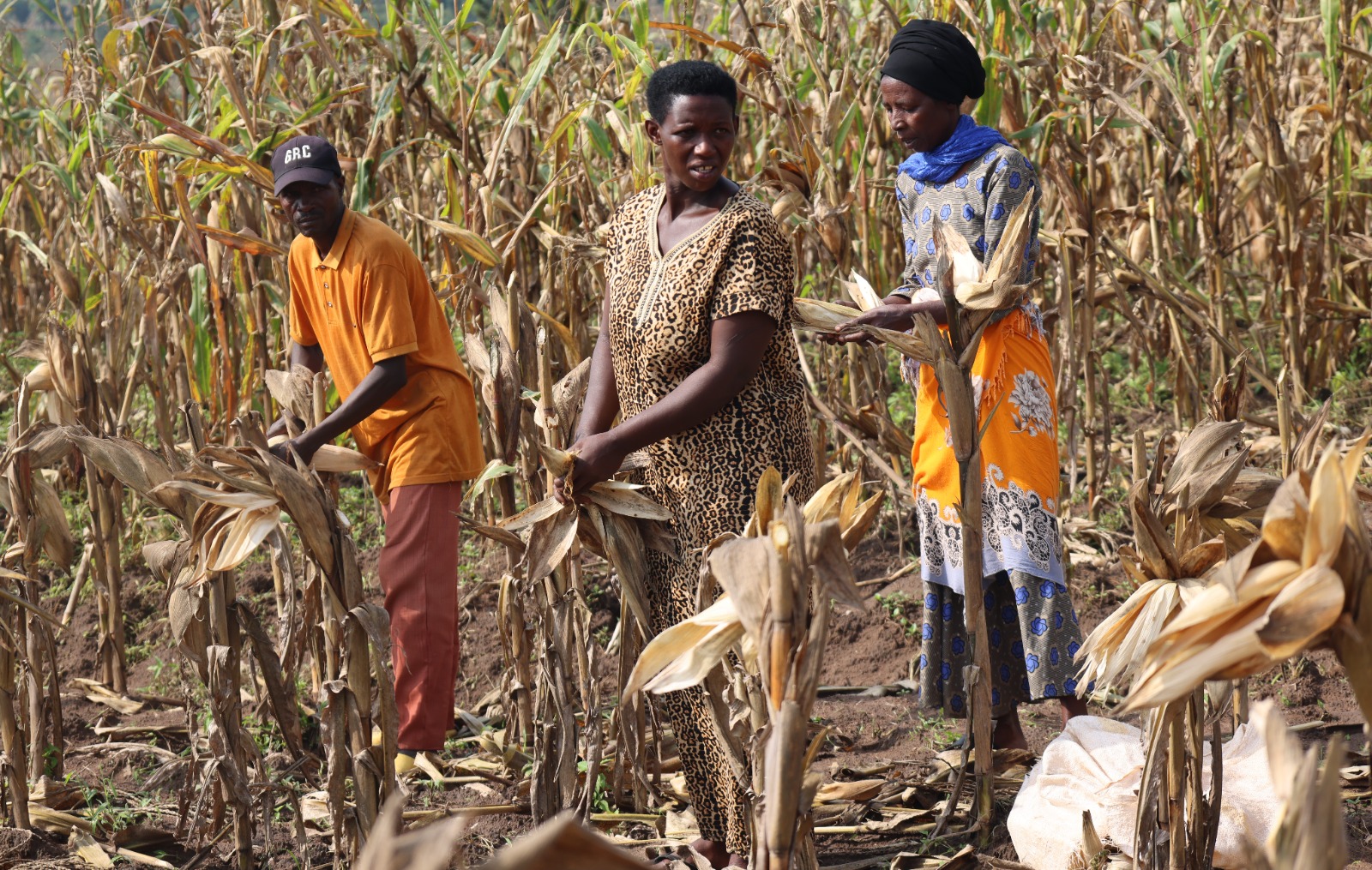
“We now have a cooperative office, drying and storage facilities, and we plan to distribute yields in October for both consumption and sale,” Ndahimana adds.
For farmers like Beatrice Nzabamwita from Kabeza Cell, the change has been life-changing.
“I am a mother of five,” she explains. “Before being in the cooperative, I lived in a poor house. Now, I harvest more than 300 kilograms from 100 kilograms before. I built houses for my children, paid school fees, and even bought land. All this is thanks to SAIP2.”
Water management has been critical to the transformation.
Vianney Biziyaremye, a water user representative, explains: “Our water dam now holds 543,000 cubic meters. We never face total water shortages, and farmers understand the role of irrigation. Over 312 farmers have been trained to sustain these achievements.”
Chili farming sees a new era
Samuel Iringirimana, a farmer in Kigarama Sector, switched to the teja chili variety after advice from SAIP2. “Last year I harvested four tons on 18 ares. With better seeds and shared irrigation, I recently harvested 500 kilograms in two weeks. Fresh chili sells at Rwf500 per kilogram, dried at Rwf1,500. I expect to earn Rwf2 million from the first harvest,” he says.

Women-led initiatives flourish
Rose Ashimwe from Nasho Sector leads a cooperative of six women who planted 5,200 avocado trees on 10 hectares using SAIP2-supported irrigation systems.
“We received a Rwf90 million matching grant and solar-powered irrigation. Our crops are thriving, and we plan to target both local and export markets,” she says.
Marcel Mugabo, president of Icyerekezo Kinani1 Cooperative, reports similar gains on 130 hectares spanning Kigarama and Kigina Sectors. The cooperative rotates maize, beans, and vegetables across seasons, maximizing productivity and market value.
Bruno Rangira, Mayor of Kirehe District, highlights the broader impact:
“Our district depends on agriculture for 95 percent of livelihoods. SAIP2 and its partners have boosted maize yields from four tons per hectare to seven, eight, and nine tons. Our goal is 10 to 12 tons per hectare on irrigated lands, benefiting tens of thousands of households,” he says.
With over 10,000 hectares under irrigation in Kirehe, including Nasho and Mpanga, farmers are no longer at the mercy of the weather. SAIP2 interventions — combining irrigation, training, access to quality seeds, and cooperative support — are turning small plots into engines of income, nutrition, and long-term resilience.
For the people of Kirehe, the hills now tell a story of hope, productivity, and the promise of prosperity.
Kirehe District is home to approximately 460,000 people, the vast majority of whom rely on agriculture for their livelihoods. Thanks to SAIP2 interventions, farmers across sectors like Nyamugari, Kigarama, and Nasho have shifted from subsistence farming to market-oriented production.
theinspirerpublications@gmail.com




Leave a Reply