

Poverty, lack of sexual health services trap Rwandan teen girls in a cycle of early pregnancies
By Elias Hakizimana.
At 16, Aline’s world came crashing down. Out of school and struggling to afford basic necessities, she found herself entangled with a much older man who promised her money for food and sanitary pads.
Within months, she was pregnant. Like thousands of other Rwandan teenage girls, Aline became a victim of poverty and the inaccessibility of sexual and reproductive health (SRH) services—an issue that continues to fuel the country’s rising teenage pregnancy rates.
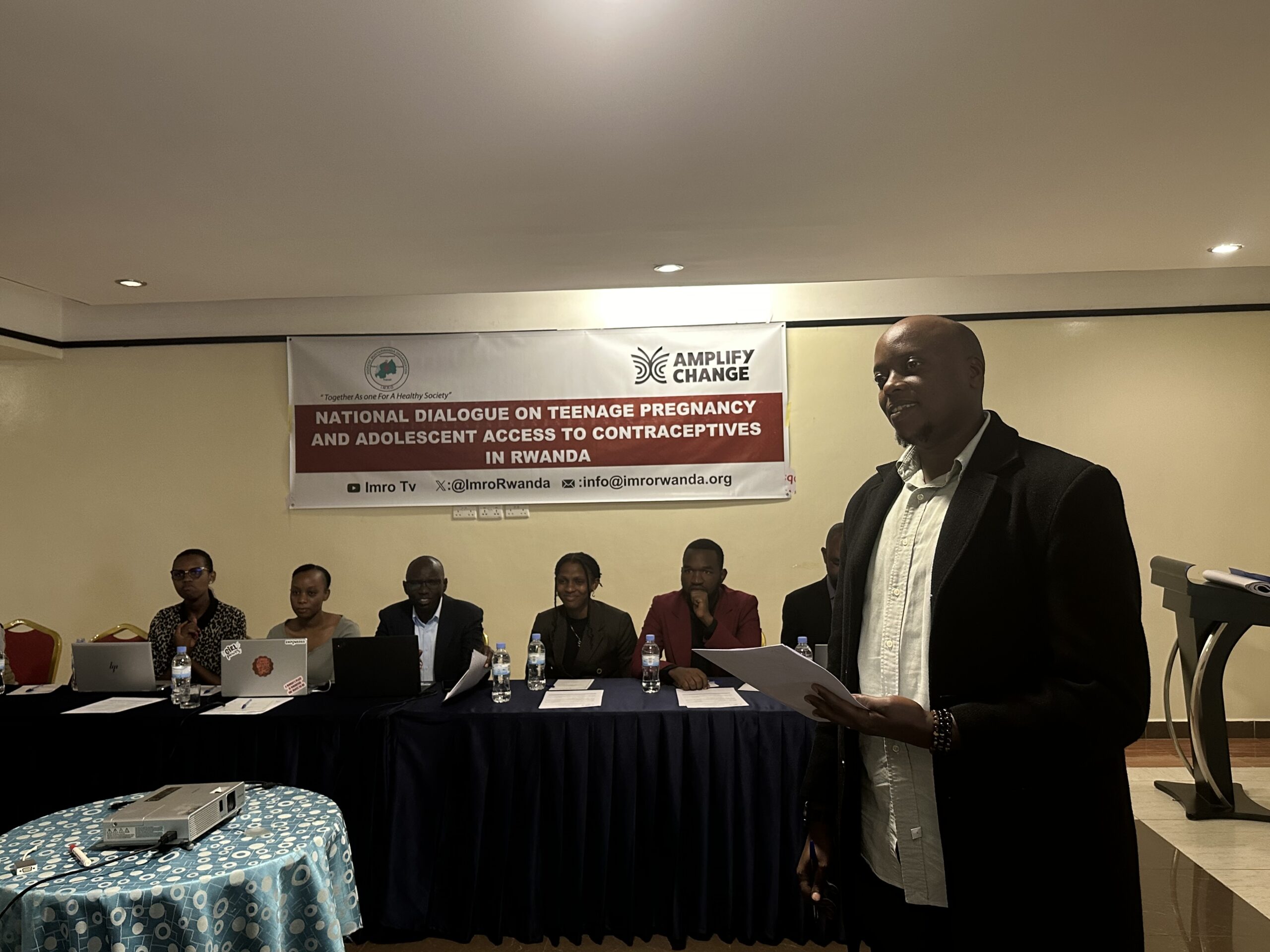
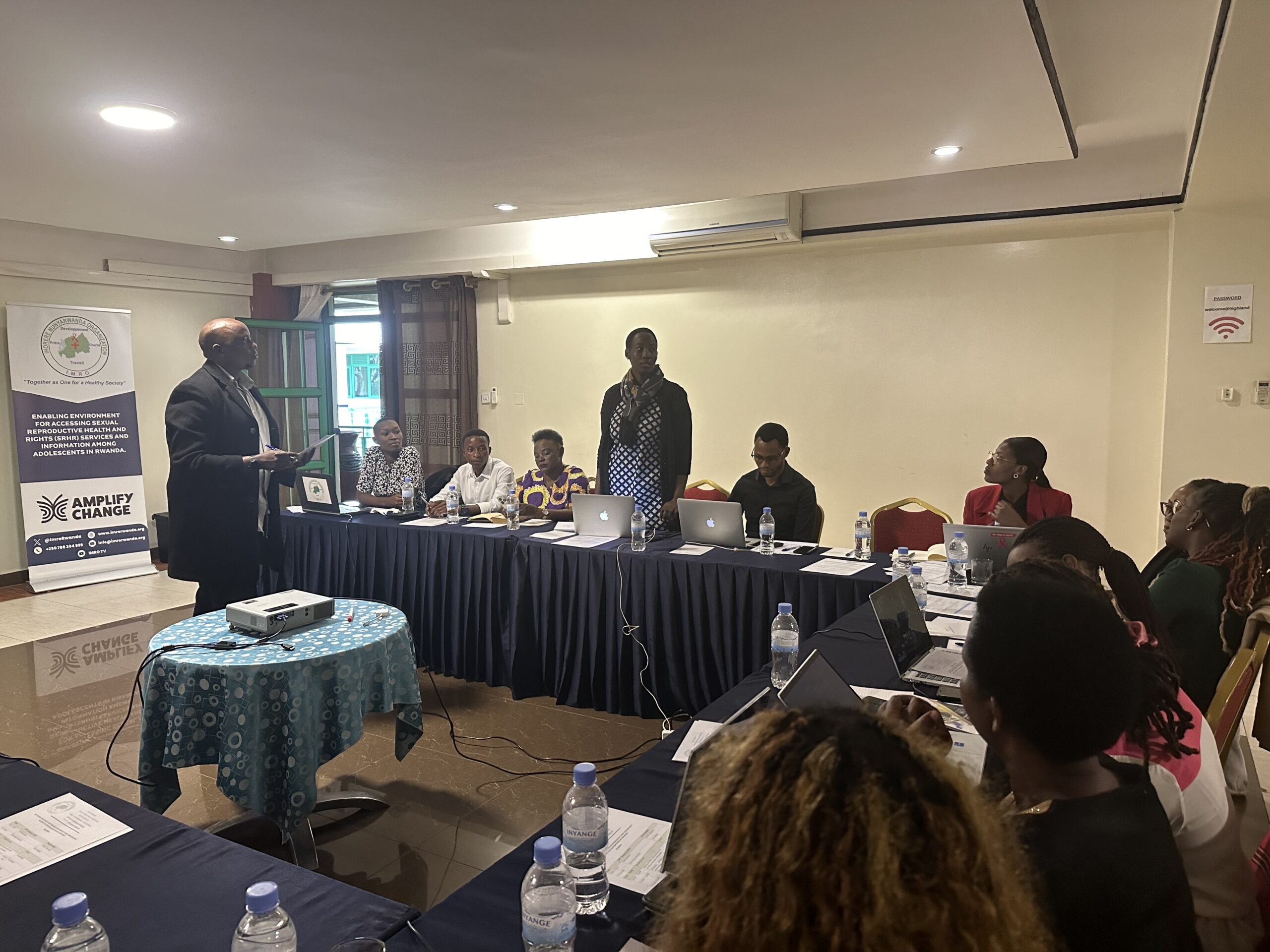
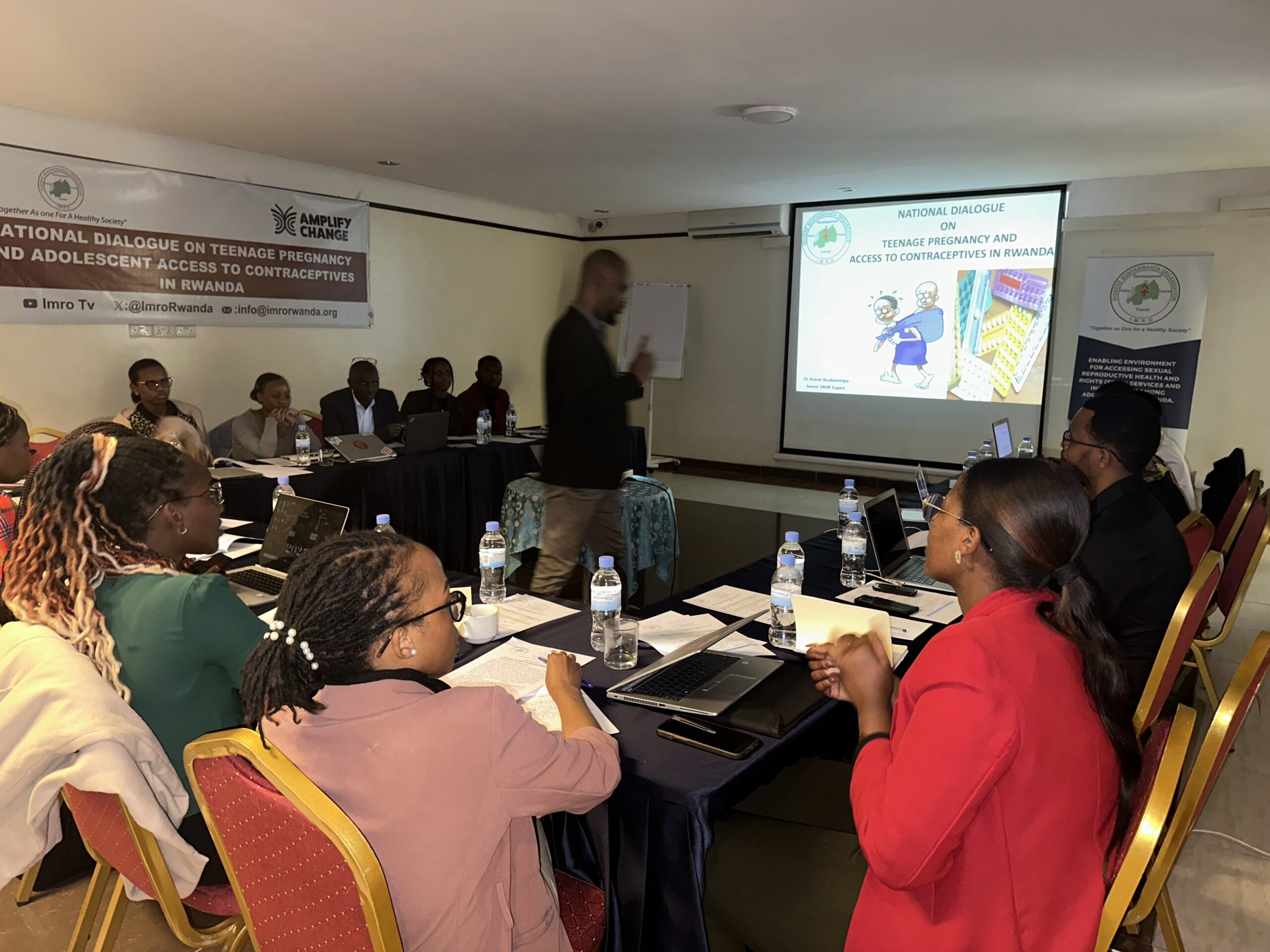
Stakeholders recently gathered in Kigali on January 29, 2025 for the National Dialogue on Teenage Pregnancy and Adolescent Access to Contraceptives, organized by IMRO-Rwanda (Ihorere Munyarwanda Organization). Despite these efforts, the harsh reality persists: many out-of-school teenagers, particularly girls from impoverished backgrounds, are trapped in a cycle where a lack of financial independence leads them into early sexual relationships, often resulting in unplanned pregnancies.
The link between poverty and early pregnancies
Teen pregnancy is not just a health issue—it’s an economic one.
Crescence Mukantabana, Executive Director of Réseau de Développement des Femmes Pauvres, emphasized that many families, particularly in rural areas, cannot afford to meet their daughters’ basic needs.
“Many girls drop out of school simply because their families cannot afford tuition, sanitary pads, or even food. When a man offers them financial help, they often feel they have no choice but to accept—sometimes without understanding the risks involved,” Mukantabana explained.
Once out of school, these girls are cut off from information that could protect them. Awareness campaigns about sexual and reproductive health (SRH) primarily target school-going adolescents, leaving out-of-school teens with limited knowledge about contraception, sexually transmitted infections (STIs), or their rights regarding reproductive health.
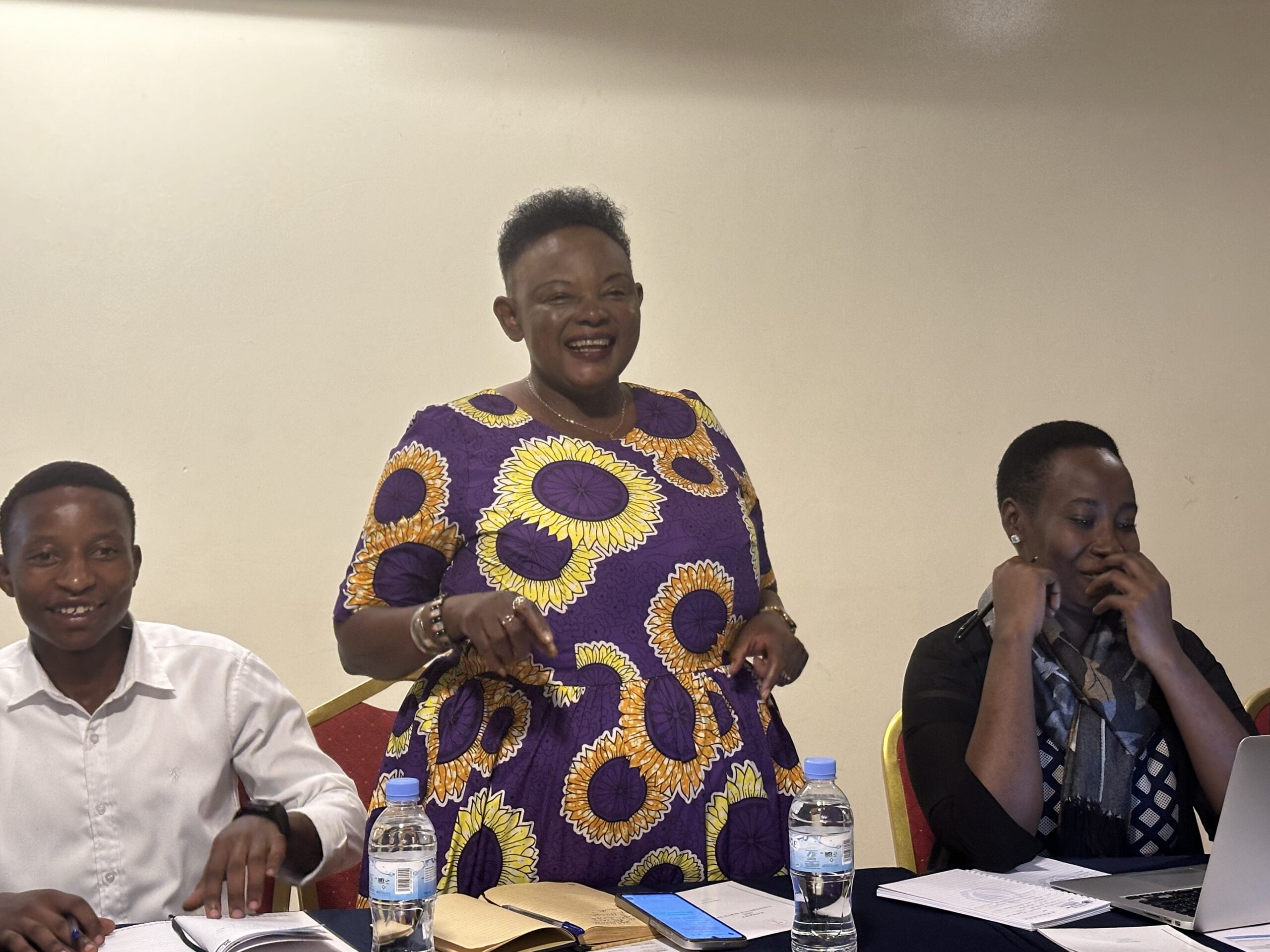
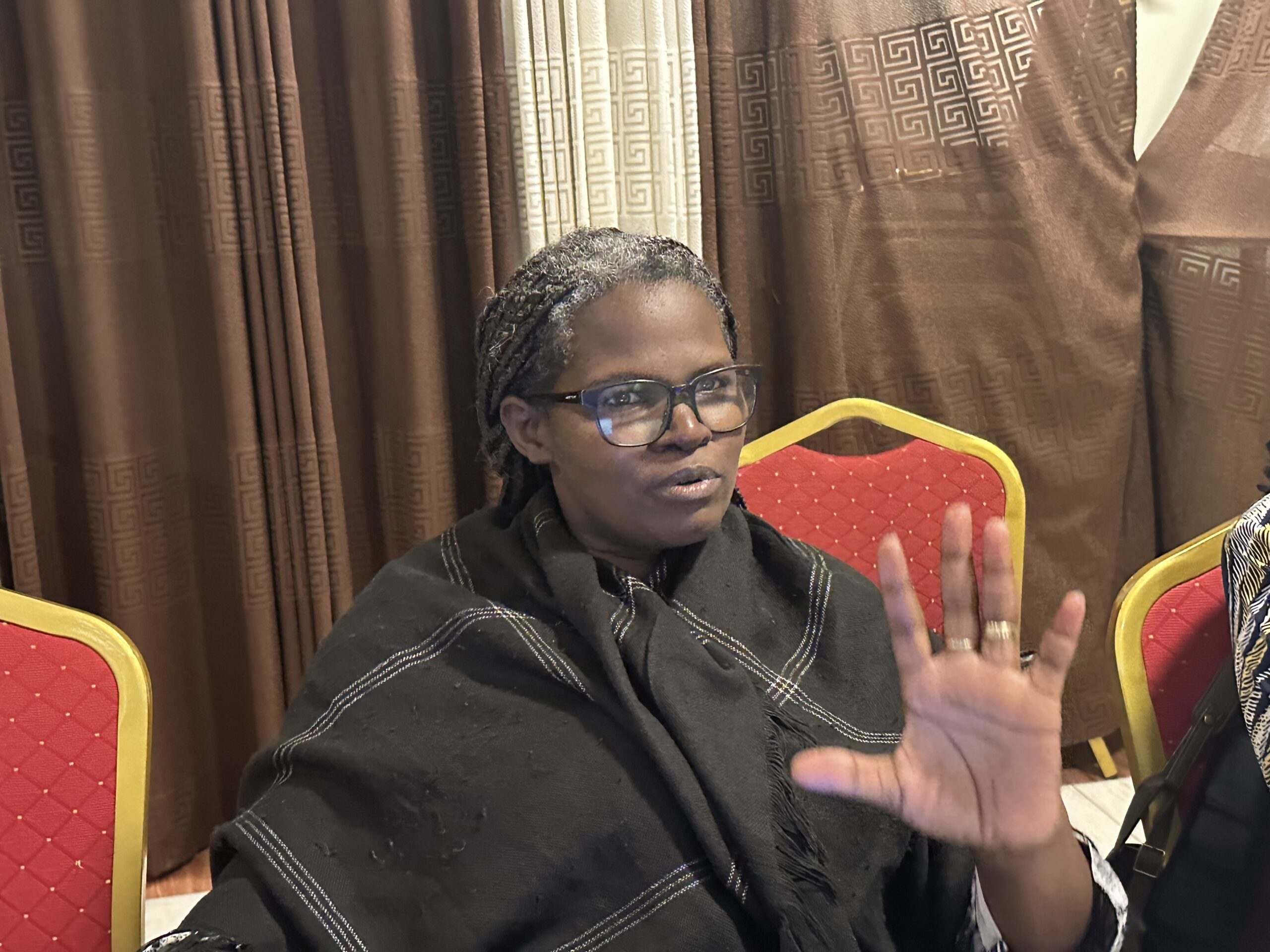
Crescence Mukantabana, Executive Director of Réseau de Développement des Femmes Pauvres, sharing experience from the field.
Without proper education and access to contraception, the cycle continues—girls become pregnant, drop out of school (if they were still enrolled), and face a lifetime of economic instability.
The cost of inaccessibility
Despite government efforts to improve adolescent sexual health services, significant barriers remain. Many health centers require parental consent for contraceptive access, a challenge for teens who fear stigma or rejection. Others struggle to travel long distances to youth-friendly clinics, particularly in rural areas.
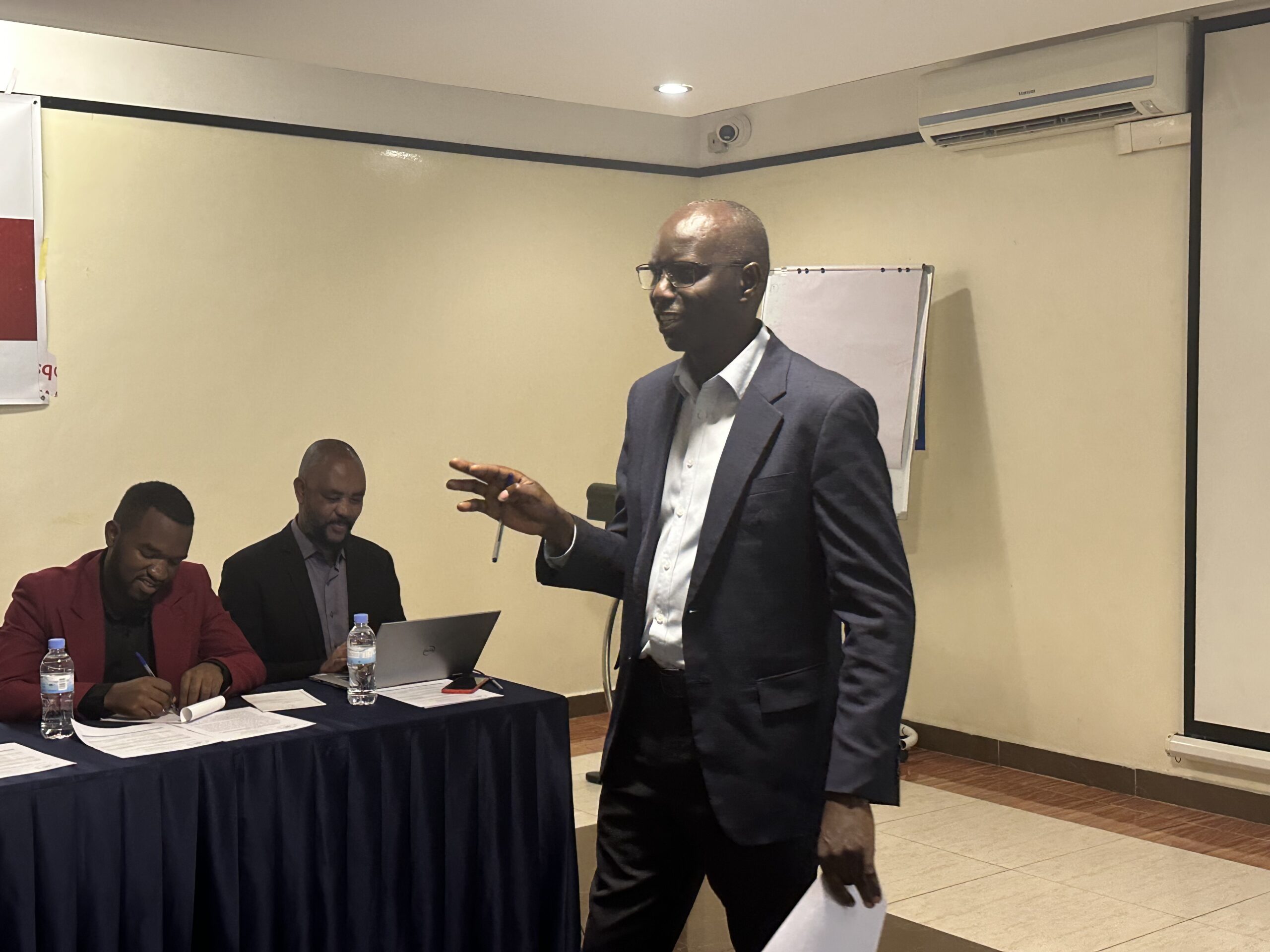
Dr. Anicet Nzabonimpa, a specialist in maternal and newborn health, pointed out how legal and social challenges often worsen the plight of teen mothers.
“Teen pregnancy brings legal and economic consequences. When an underage girl is impregnated, the man responsible is often jailed. While this is justice, it leaves the young mother without financial support, forcing her and her child deeper into poverty,” Dr. Nzabonimpa explained.
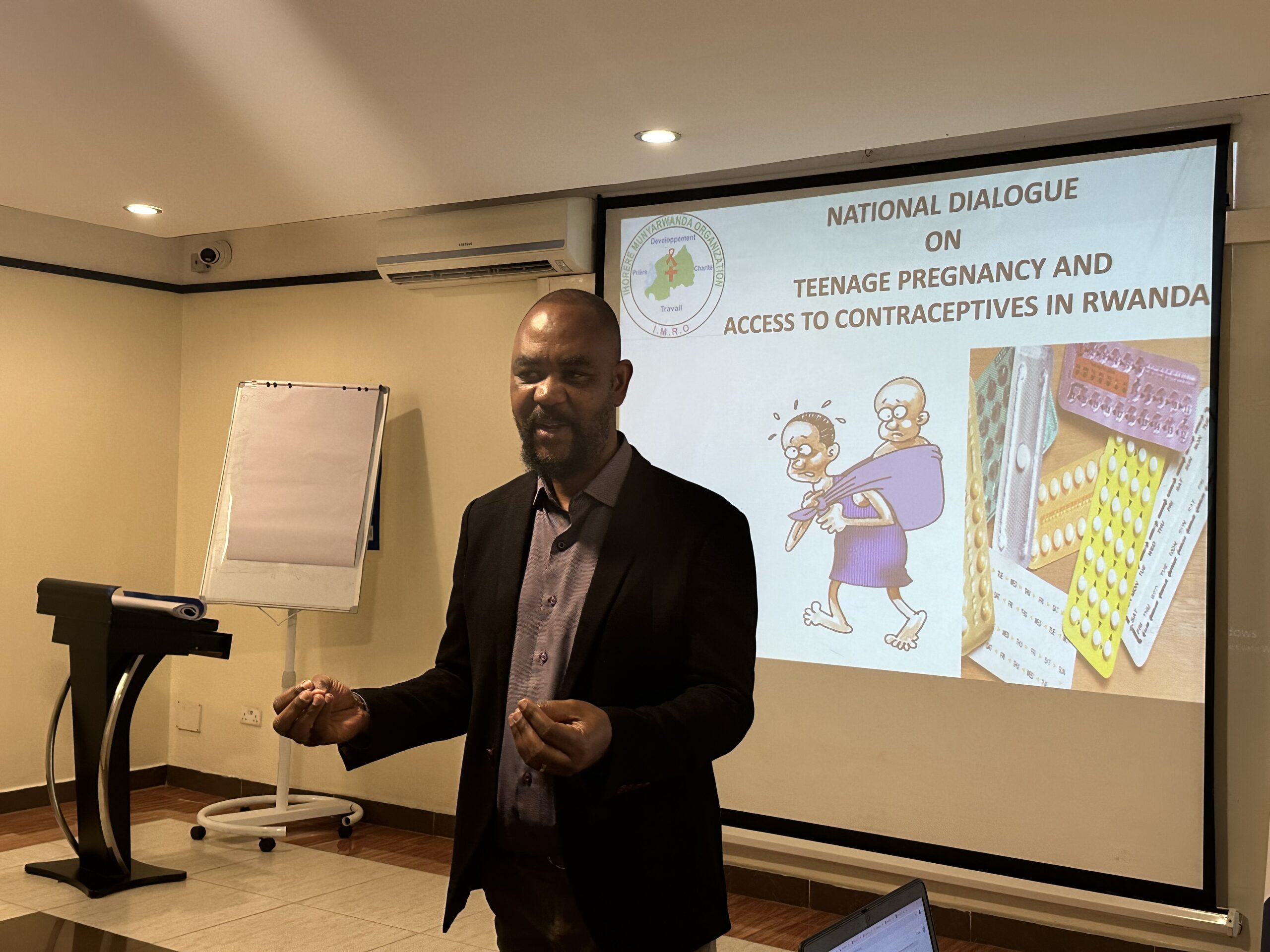
He called for policies that not only hold perpetrators accountable but also ensure social rehabilitation and economic support for teen mothers, allowing them to rebuild their lives.
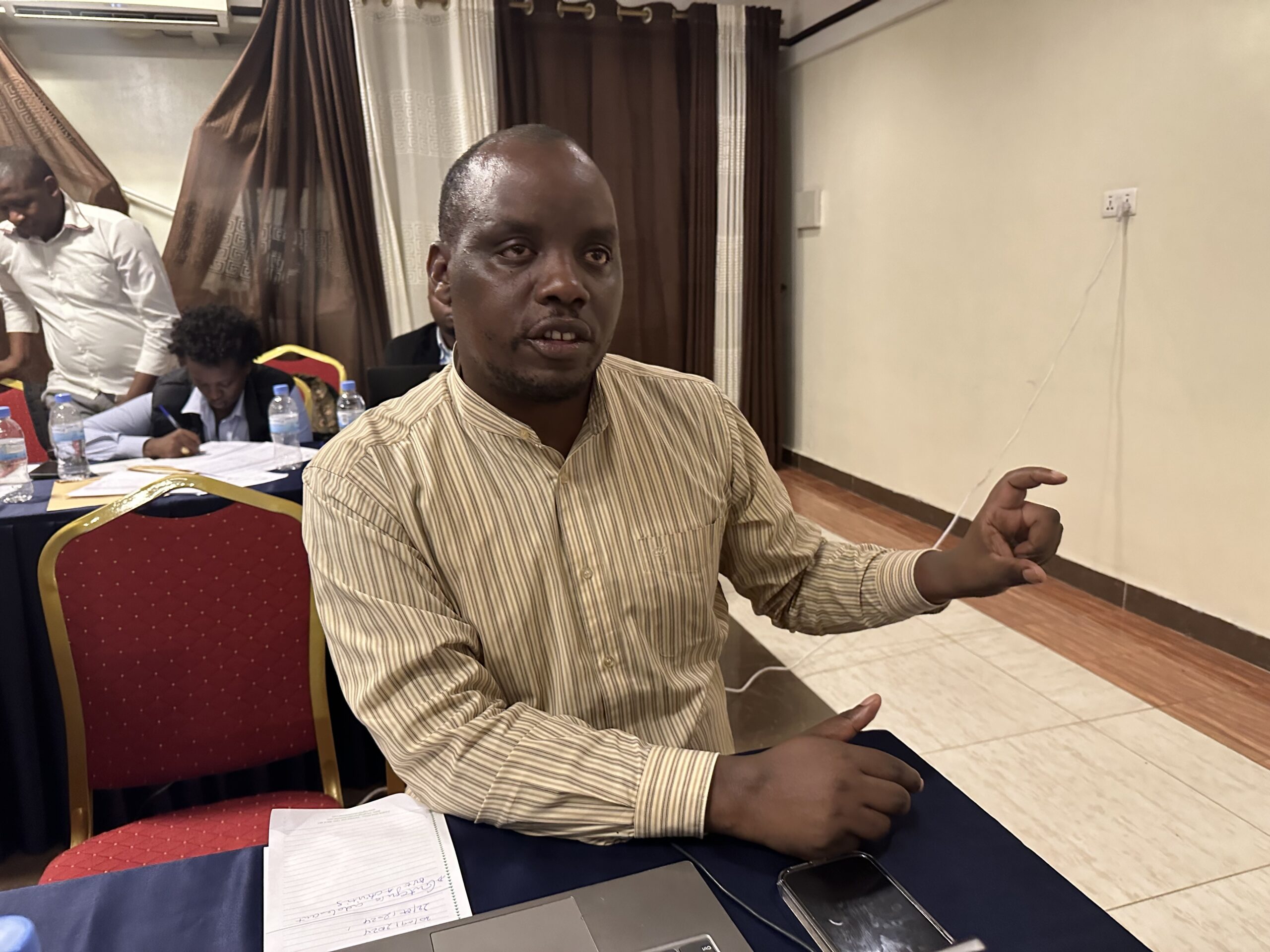
Frodouard Tuyishimire, Adolescent Development Specialist at the National Child Development Agency (NCDA), expressed concern about the current environment that gives teens access to sexual content.
“We need to develop strategies that empower teenagers to make informed choices, rather than pushing them into situations they cannot control. It’s crucial to empower them and establish preventive measures against sexual exploitation,” Tuyishimire said.
The invisible girls: Out-of-school teens at risk
While sex education programs exist, they rarely reach the most vulnerable: out-of-school teenagers. Mukantabana warned that this gap leaves thousands of girls without essential knowledge to make informed choices.
“Out-of-school girls are in the most danger because they are not part of awareness campaigns. They don’t receive information on contraception, STIs, or their rights. The only thing they know is what society tells them—that getting financial help from a man comes with expectations,” she said.
For girls like Aline, this reality is devastating. With no knowledge of contraception, she never had the chance to protect herself from pregnancy or STIs. Her dreams of finishing school and securing a stable future were crushed before she even understood what was happening.
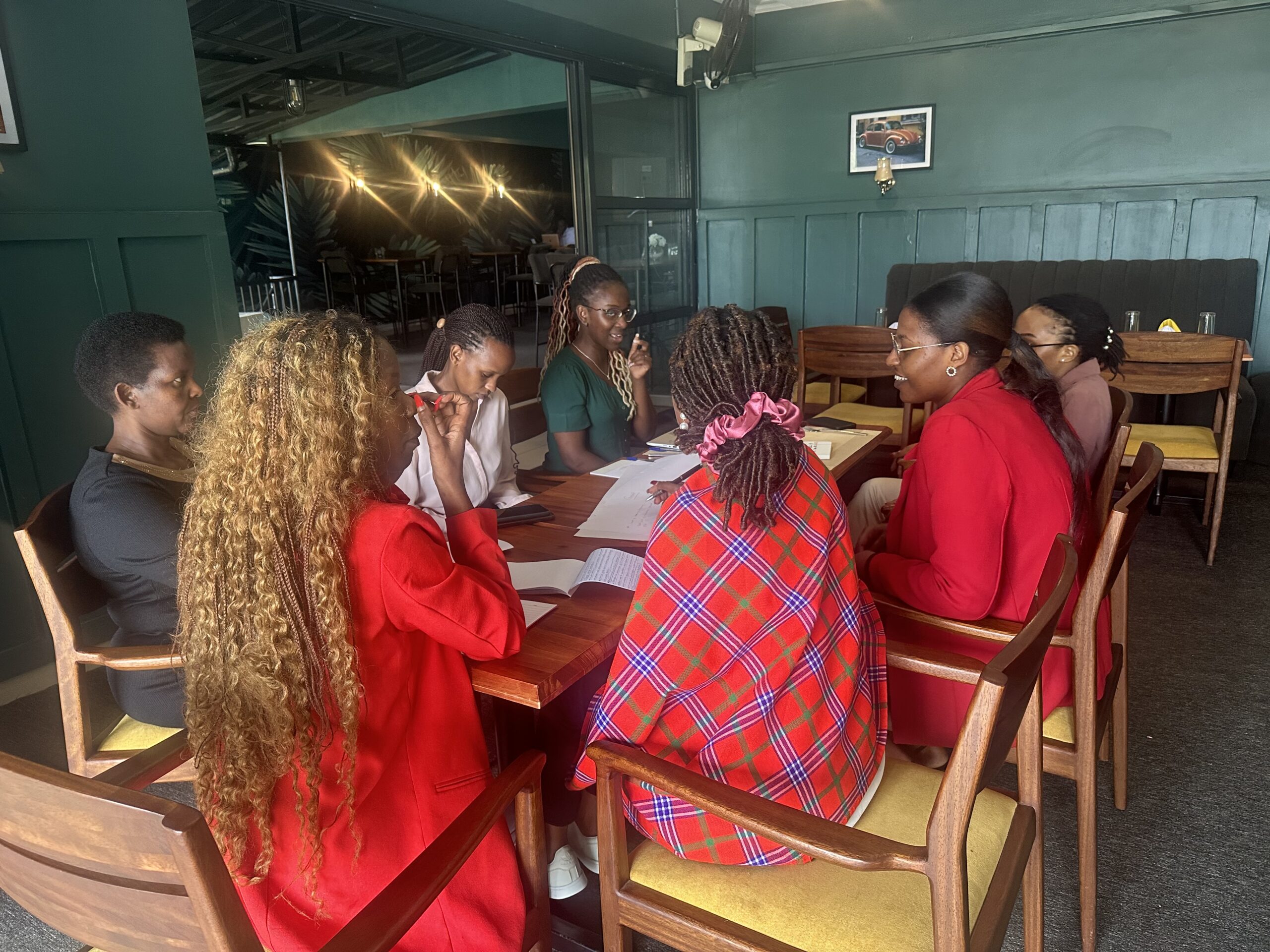 Participants during group discussions on what push the increase in teenage pregnancies, suggesting the way forward.
A call for change
The National Dialogue on Teenage Pregnancy and Adolescent Access to Contraceptives in Kigali ended with renewed commitments from stakeholders to address this growing crisis. But without direct intervention for out-of-school teenagers, the cycle will continue.
Experts at the dialogue recommended several urgent measures, including expanding sexual and reproductive health (SRH) education beyond schools to reach out-of-school adolescents, strengthening youth-friendly health services to ensure accessible and stigma-free contraception, implementing economic empowerment programs for vulnerable girls to reduce financial dependence on older men, and reviewing legal frameworks to balance justice with social protection for teen mothers.
“We cannot end teenage pregnancies without addressing poverty. Until every girl—whether in school or not—has access to education, resources, and economic opportunities, this crisis will persist,” Mukantabana said.
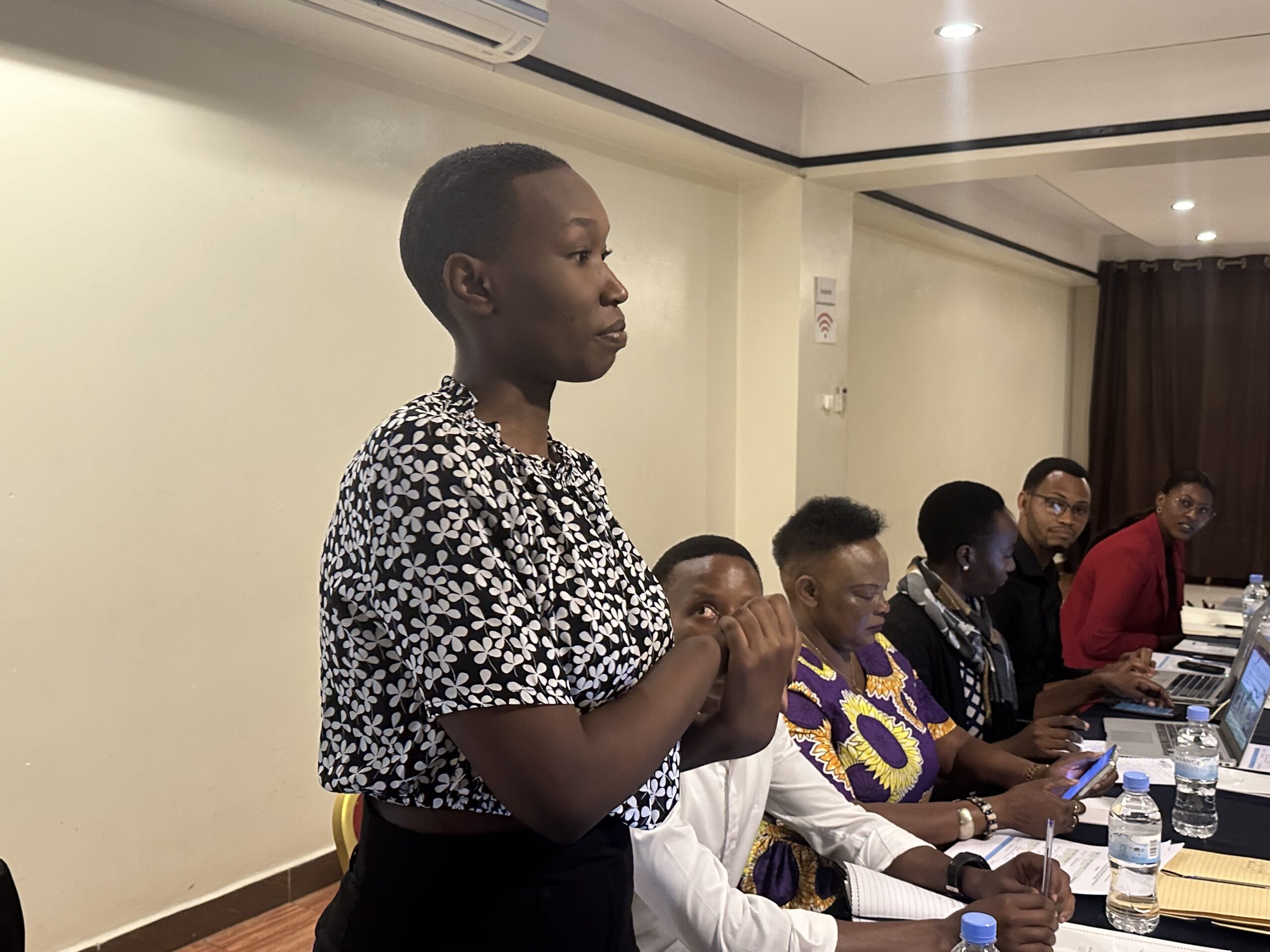
For thousands of girls across Rwanda, the future hangs in the balance. Unless urgent steps are taken, many will continue to be trapped in a cycle where poverty and lack of access to SRH services dictate their fate.
Rwanda Biomedical Center (RBC) reported 10,480 teenage pregnancies in the first six months of 2024. In 2023, the country recorded more than 22,000 teenage pregnancies, a significant increase from about 17,300 reported in 2017.

theinspirerpublications@gmail.com




Leave a Reply