
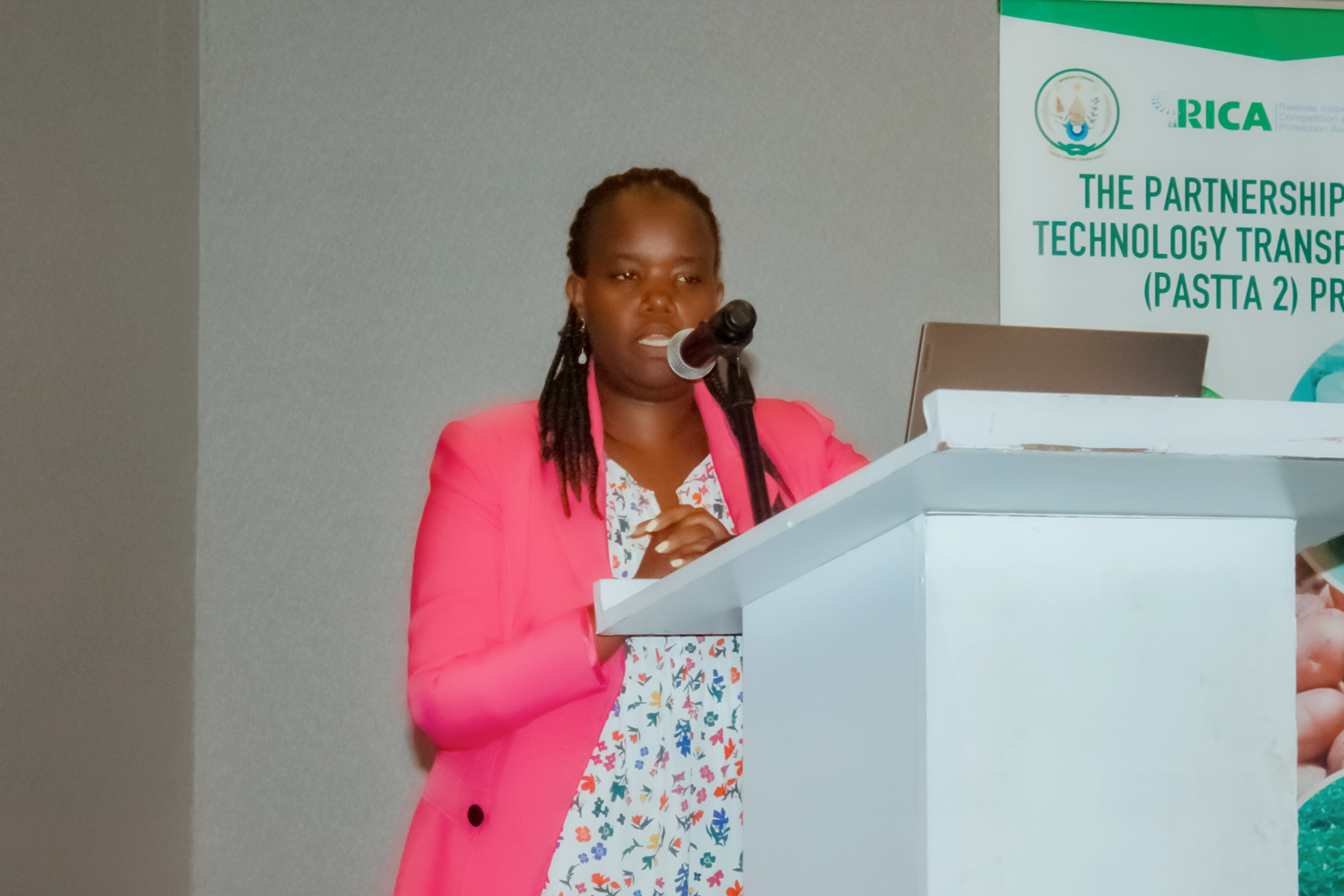
Strengthening Potato Farming in Rwanda: Tackling Quality Seed Challenges with Innovation
By Elias Hakizimana.
Rwanda’s potato farming sector is undergoing a significant transformation as stakeholders tackle long-standing challenges in seed quality and supply.
The Partnership for Seed Technology Transfer in Africa (PASTTA 2) project, implemented by the International Potato Center (CIP) in collaboration with the Rwanda Agriculture and Animal Resources Board (RAB) and the Rwanda Inspectorate, Competition and Consumer Protection Authority (RICA), has introduced groundbreaking interventions to improve seed production systems.
Focused on enhancing the adoption of improved Irish potato varieties, the two-year PASTTA 2 project has made notable strides in addressing key bottlenecks in the potato value chain.
Efforts include building laboratory capacities for virus indexing and nematode diagnosis, training seed inspectors, and equipping farmers with best practices such as crop rotation to mitigate soil-borne diseases and pests.
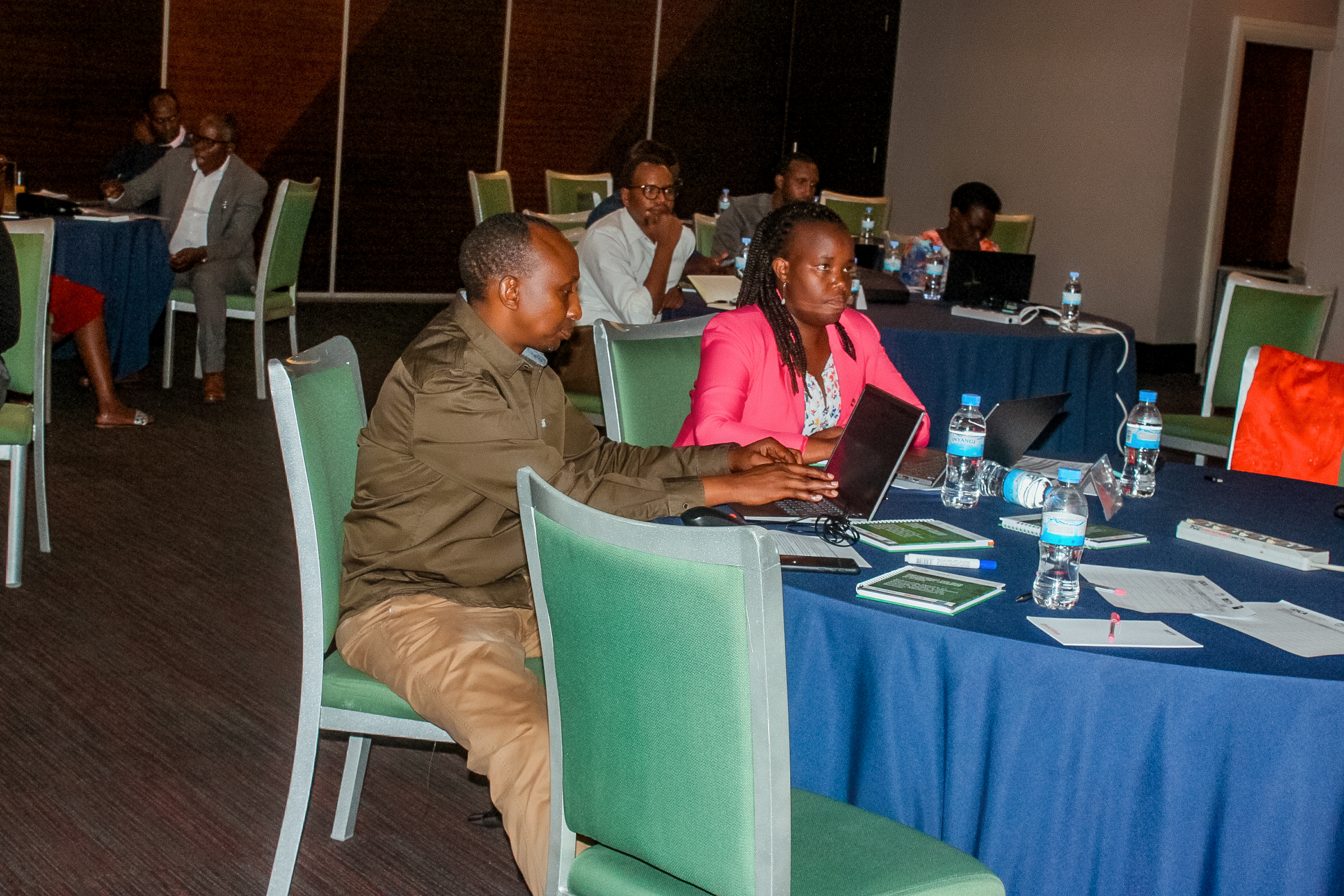
Key interventions addressing persistent challenges
Despite these advancements, pests and diseases—particularly plant parasitic nematodes and bacterial wilt—remain a significant hurdle to achieving high-quality seed production.
According to Dr. Florence Uwamahoro, Deputy Director General of RAB, the project has played a critical role in developing solutions.
“We have built capacity together with the International Potato Center, enabling us to diagnose and manage key pests and diseases effectively,” said Dr. Uwamahoro.
She also emphasized the importance of enforcing crop rotation, a practice vital for breaking disease cycles and ensuring sustainable potato farming.
Moreover, the project has bolstered seed quality assurance mechanisms by collaborating with RICA to strengthen regulation and control systems, ensuring farmers receive certified disease-free seeds.

Improving the potato value chain
The Irish potato value chain in Rwanda is complex, involving several stages from early-generation seeds to certified seeds. The PASTTA 2 project has introduced advanced seed production technologies, helping to close gaps in the system.
“This project has brought together seed multipliers, researchers, and regulators, creating a unified approach to deliver high-quality seeds to farmers,” noted Dr. Uwamahoro.
These efforts aim to stabilize market prices by increasing productivity while addressing rising costs driven by seed expenses and transportation challenges.
Driving genetic gains and farmer productivity
Highlighting the importance of genetic improvements, Dr. Dinah Borus, CIP-Rwanda Project Lead for PASTTA 2, noted that quality seeds are critical to maximizing the potential of other farming inputs such as fertilizers.
The project has worked to provide farmers with disease-free, early-generation seeds while promoting access to new, improved varieties.
“When farmers access these improved varieties, they benefit from higher yields and better resilience against pests and diseases. However, this potential is only realized with a robust seed system,” said Dr. Borus.

Achievements and future prospects
While the project has achieved significant milestones, including training seed inspectors and strengthening farmer capacity, stakeholders agree that much remains to be done.
Dr. Uwamahoro pointed out that the initiative has laid the groundwork for future collaborations aimed at advancing the potato seed sector.
“The knowledge and systems we’ve built will guide us as we explore new opportunities to enhance seed production and ensure farmers receive quality seeds on time,” she said.
Strengthening farmer engagement
Farmers have been at the center of the project’s success. Training sessions have enhanced their understanding of quality seed production and best practices like crop rotation.
However, greater efforts are needed to involve farmers more actively in policy implementation and support their adoption of sustainable farming methods.
Joseph Gafaranga, a professional Irish potato farmer from Musanze District, highlighted critical challenges in the sector, including insufficient quality seeds, limited and poorly managed manure fertilizers, rising input prices, and skill gaps among farmers.
He emphasized the importance of crop rotation and called for collaborative efforts to address these issues.

“We request partners, especially RAB, to help provide enough and timely quality seed varieties, while also promoting the production of quality manure fertilizers and enforcing crop rotation guidelines to improve Irish potato farming,” Gafaranga said.
James Mushaija, Plant Variety Registrar at RICA, explained that the institution addresses Irish potato seed quality and quantity by registering seed producers, enforcing certification laws, and providing technical training to improve seed production and quality. He emphasized RICA’s collaboration with partners to strengthen seed certification processes and ensure sustainable farming solutions.
“This project is very important because it has provided technical regulations, staff training, and vital skills that enhance seed certification and quality control in Rwanda,” Mushaija said.
The PASTTA 2 project has proven the potential of collaborative approaches in overcoming Rwanda’s potato farming challenges. By building local capacities, improving regulations, and fostering innovation, the project has provided a strong foundation for continued growth and sustainability in the sector.
As Rwanda positions itself as a leading potato producer in sub-Saharan Africa, the lessons and achievements from PASTTA 2 will drive further innovation and collaboration, ensuring that farmers thrive and food security is strengthened across the nation.

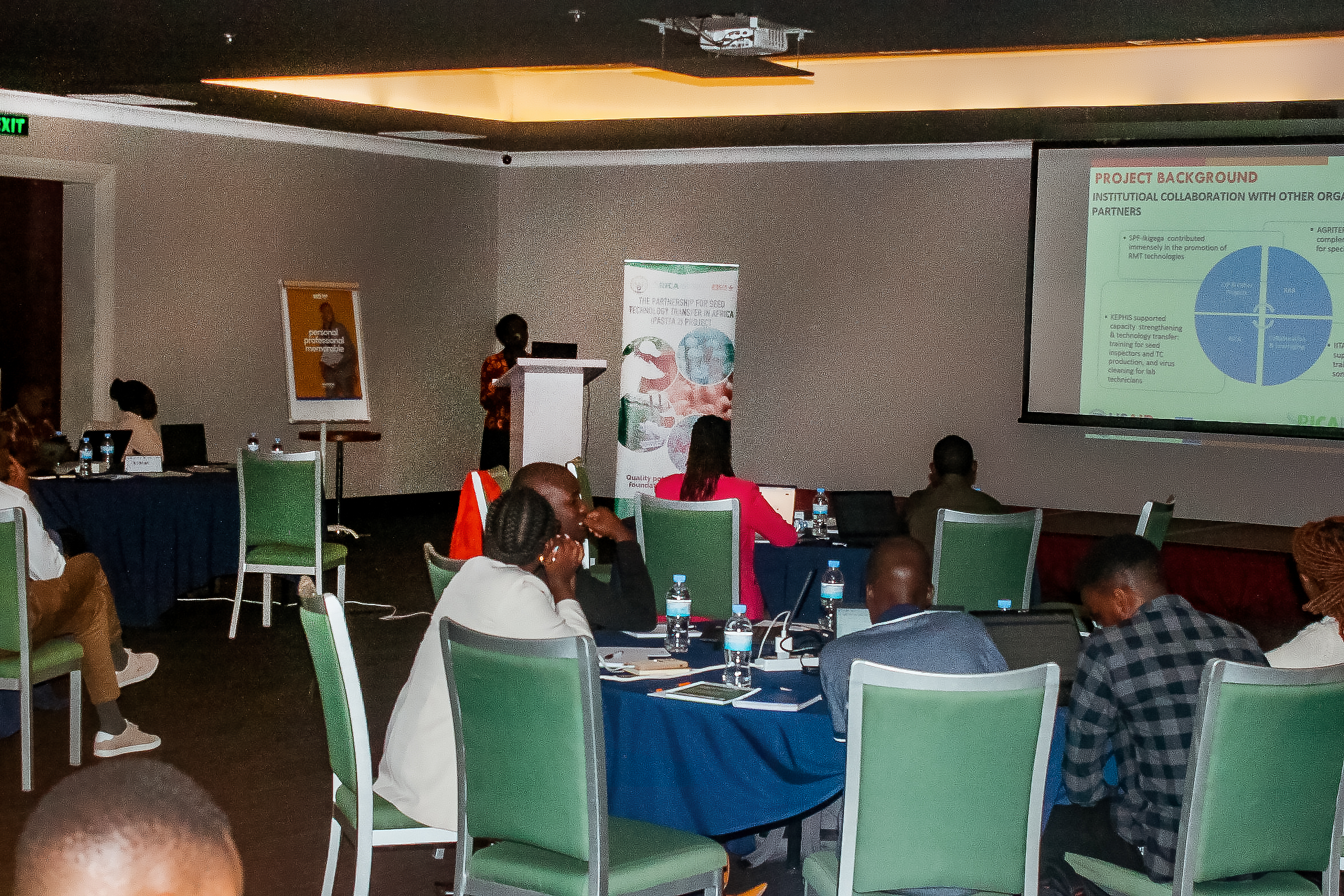

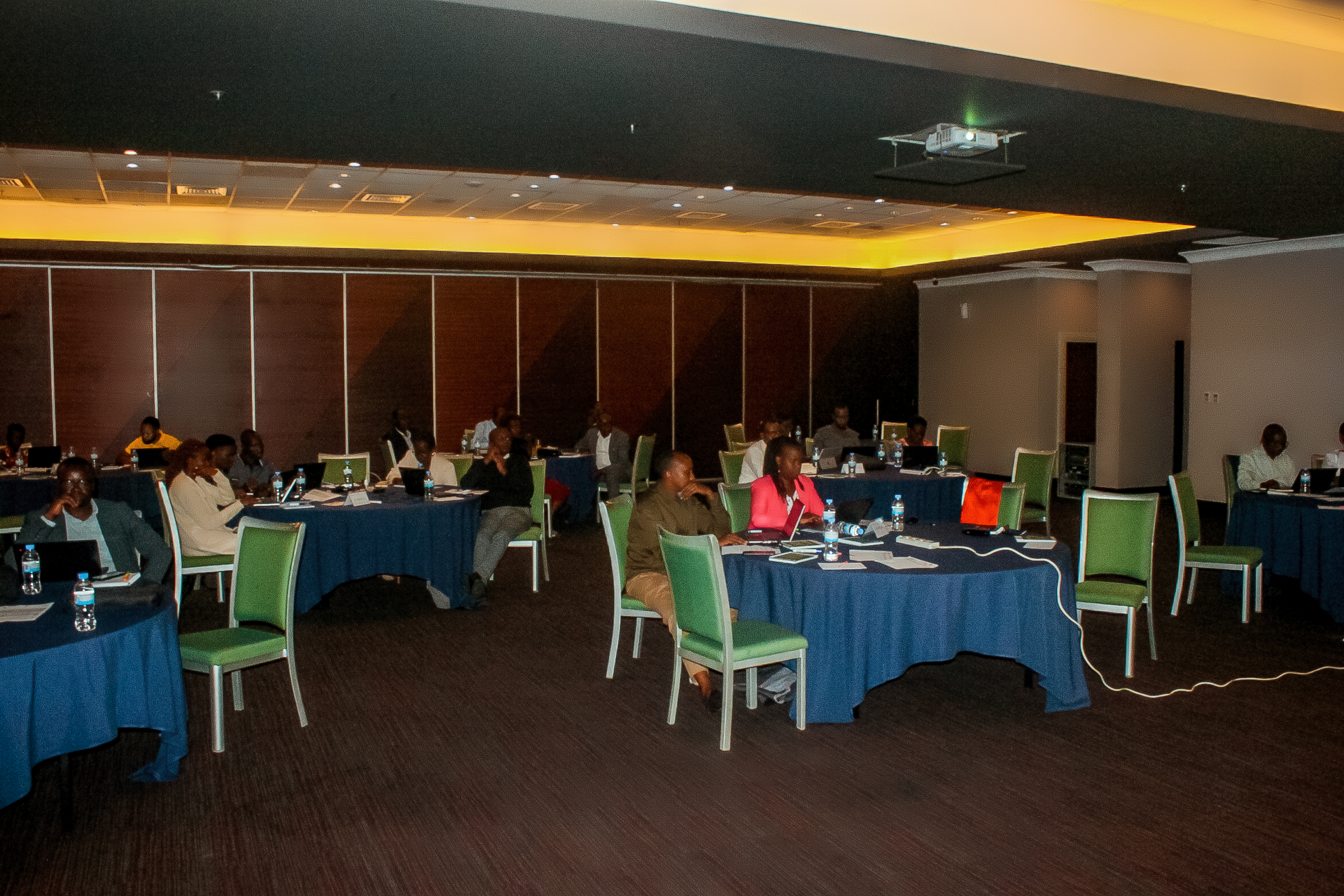
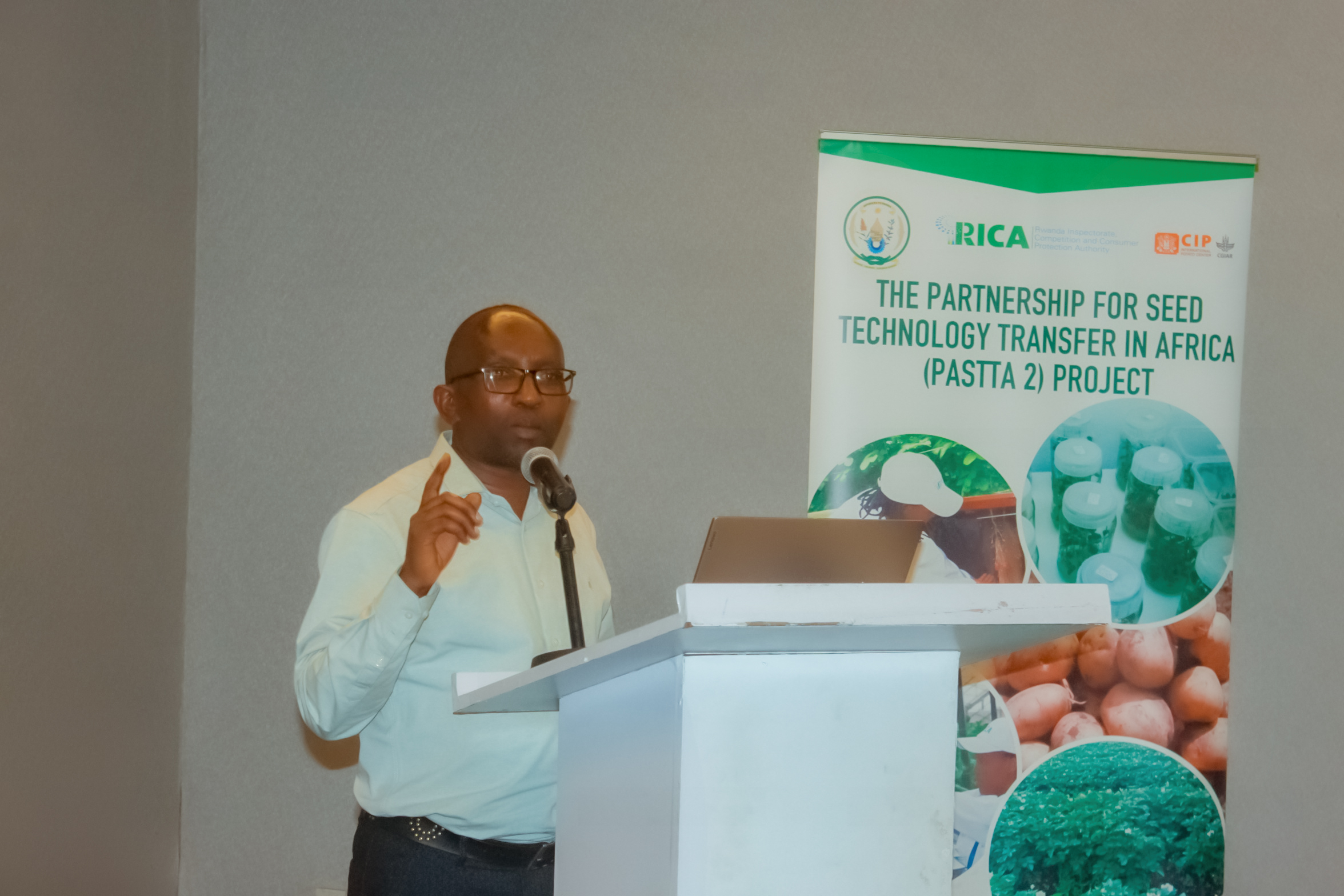
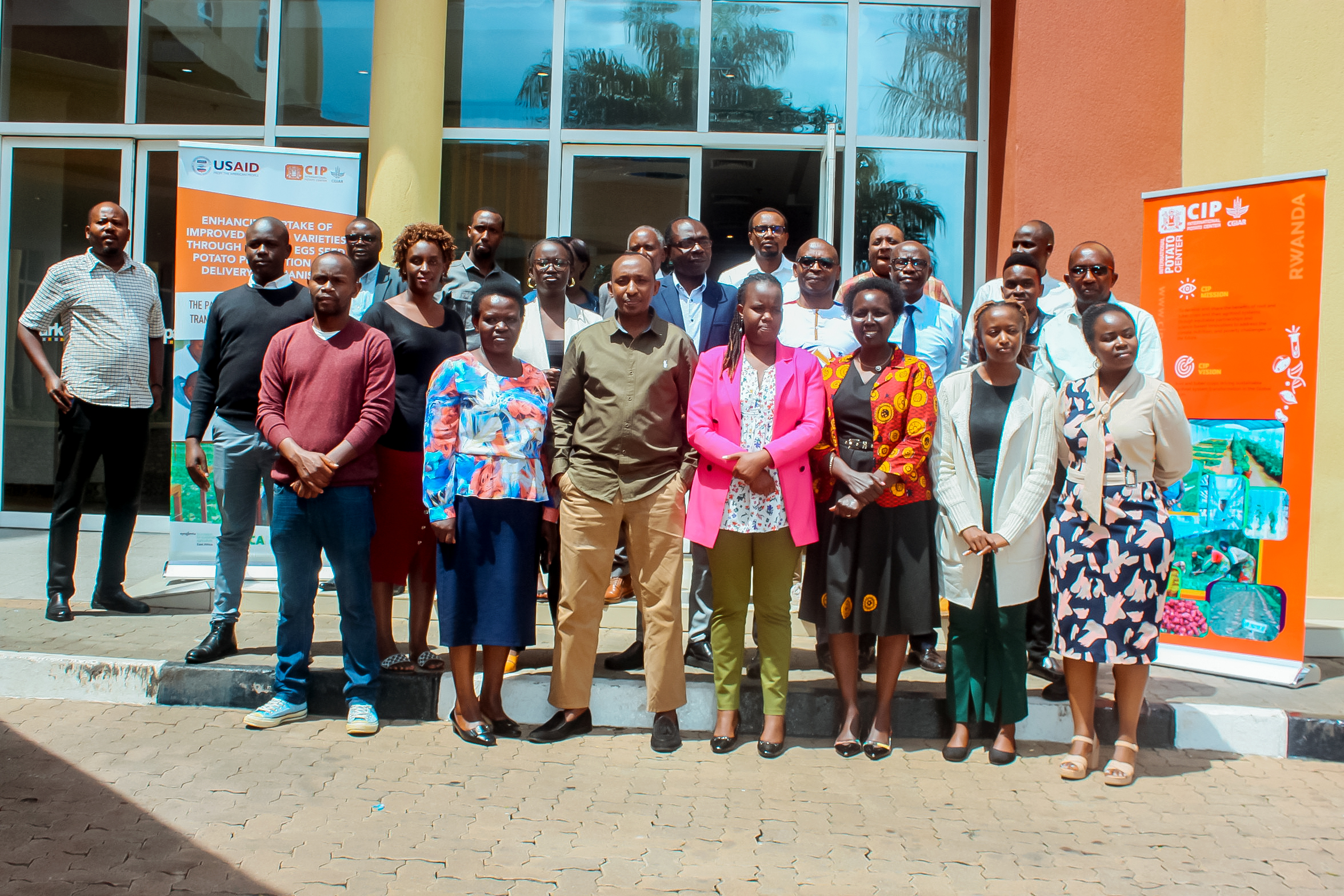 All participants to the workshop pose for a group photo after a successful discussion on improving seed quality and farming practices.
theinspirerpublications@gmail.com


Leave a Reply